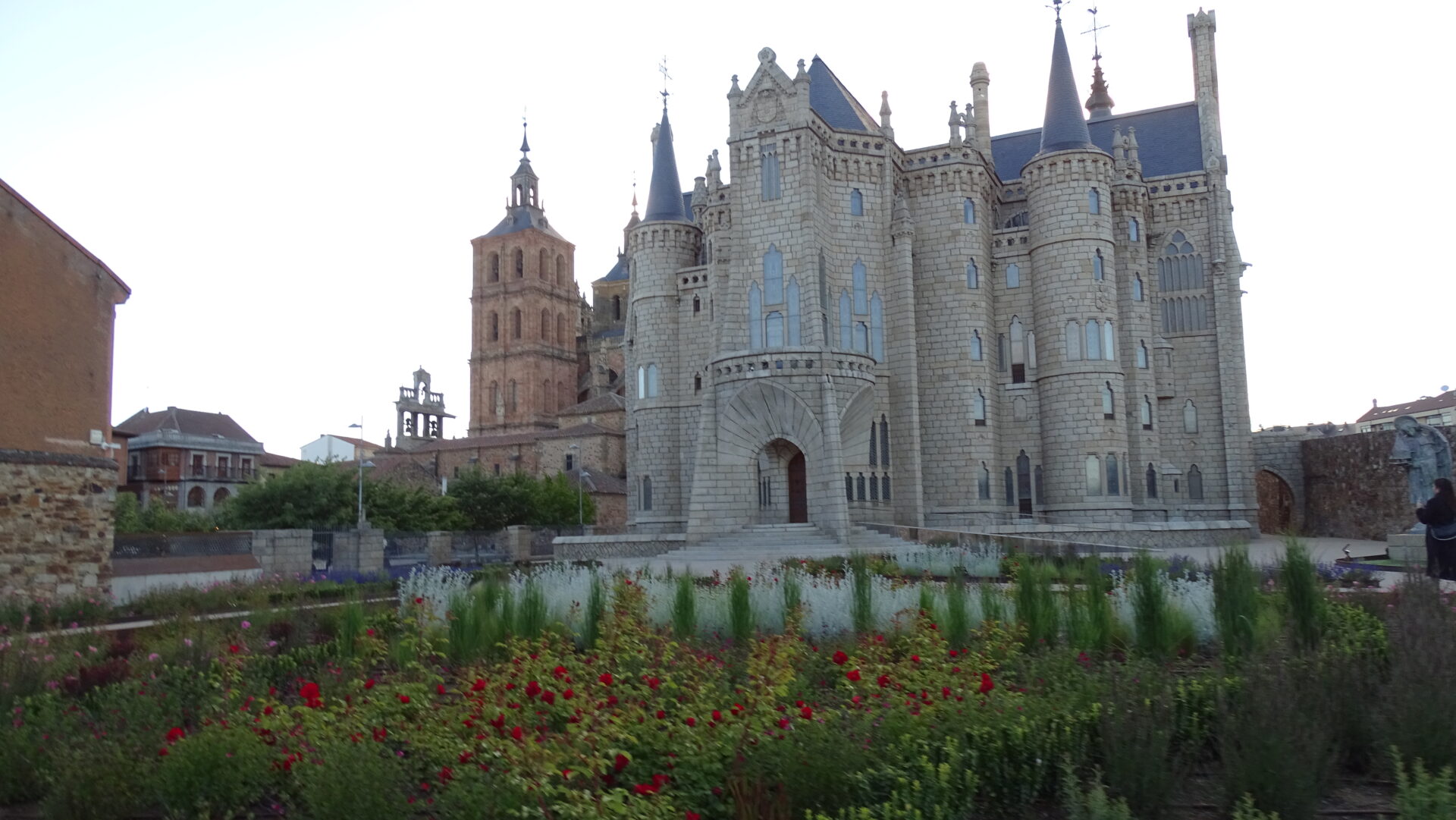
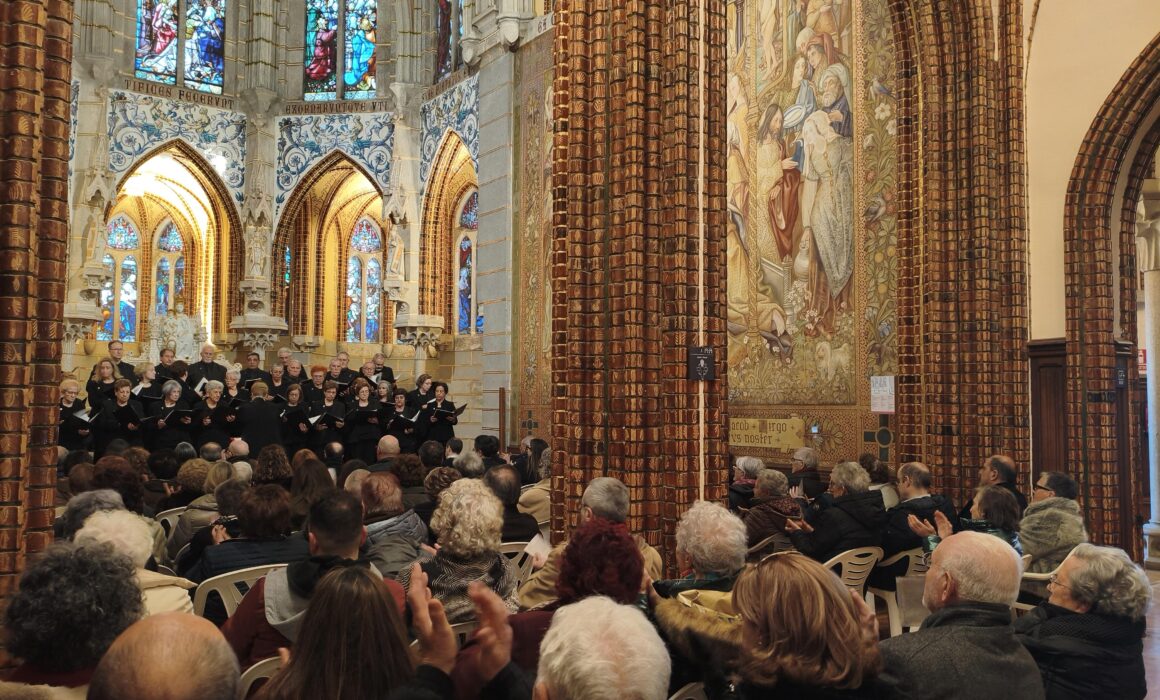
Two cultural activities, framed in the program of the Gaudí Centenary Year, took place this weekend as part of the actions that during the month of March put the focus on the figure of Bishop Juan Bautista Grau y Vallespinós, promoter of the building designed by the Catalan architect.
Presentation of the book on Bishop Grau
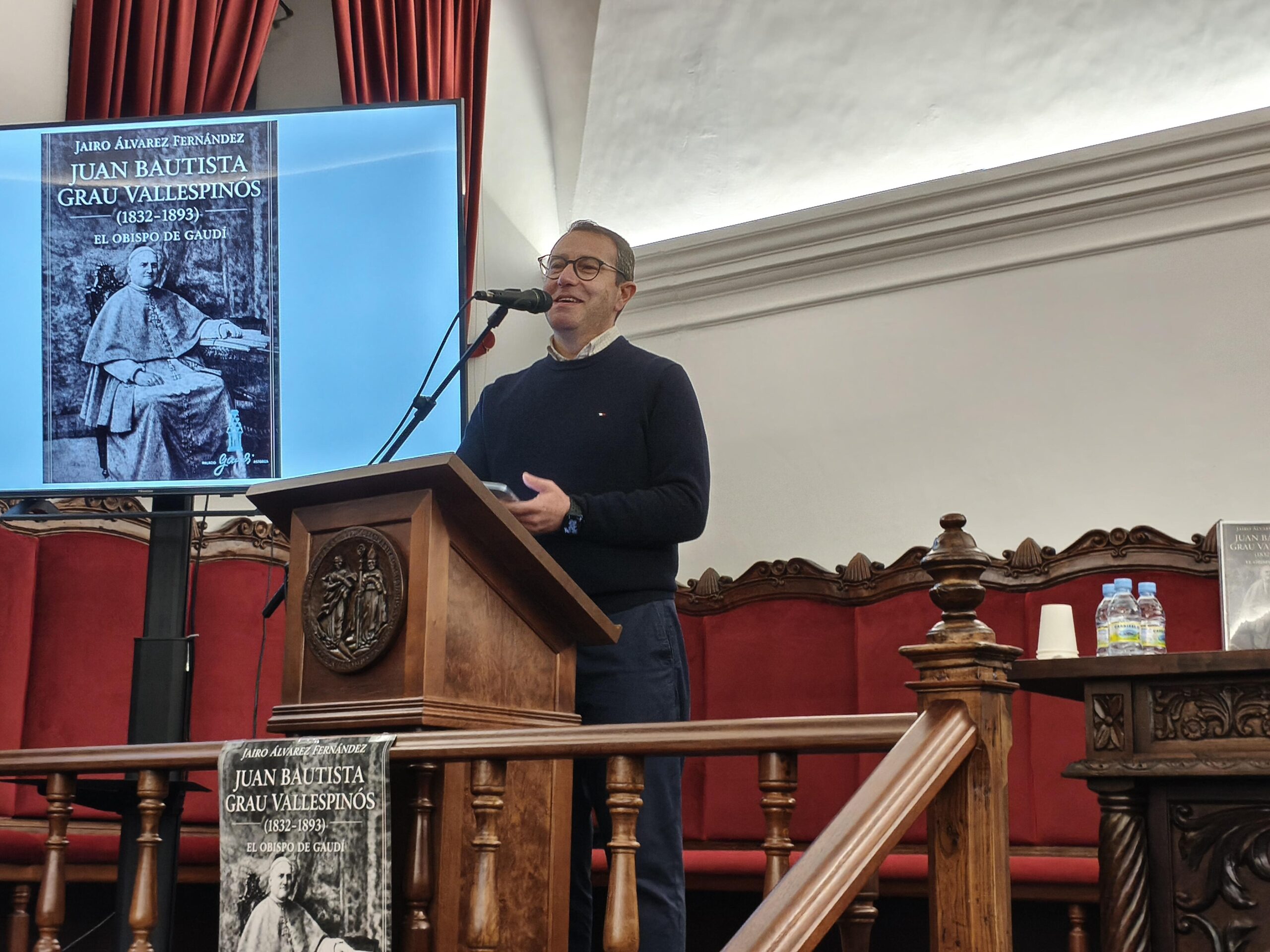
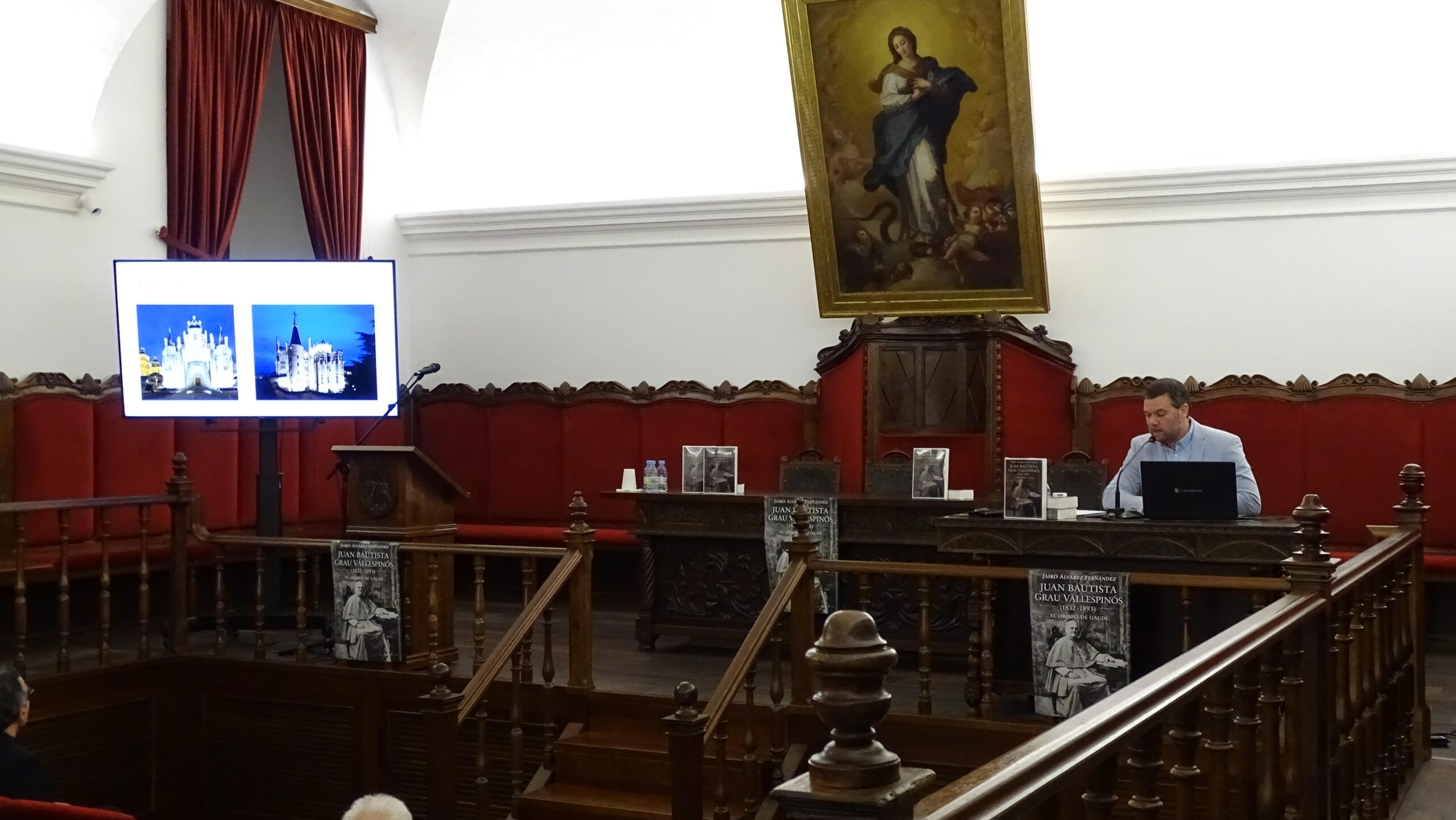
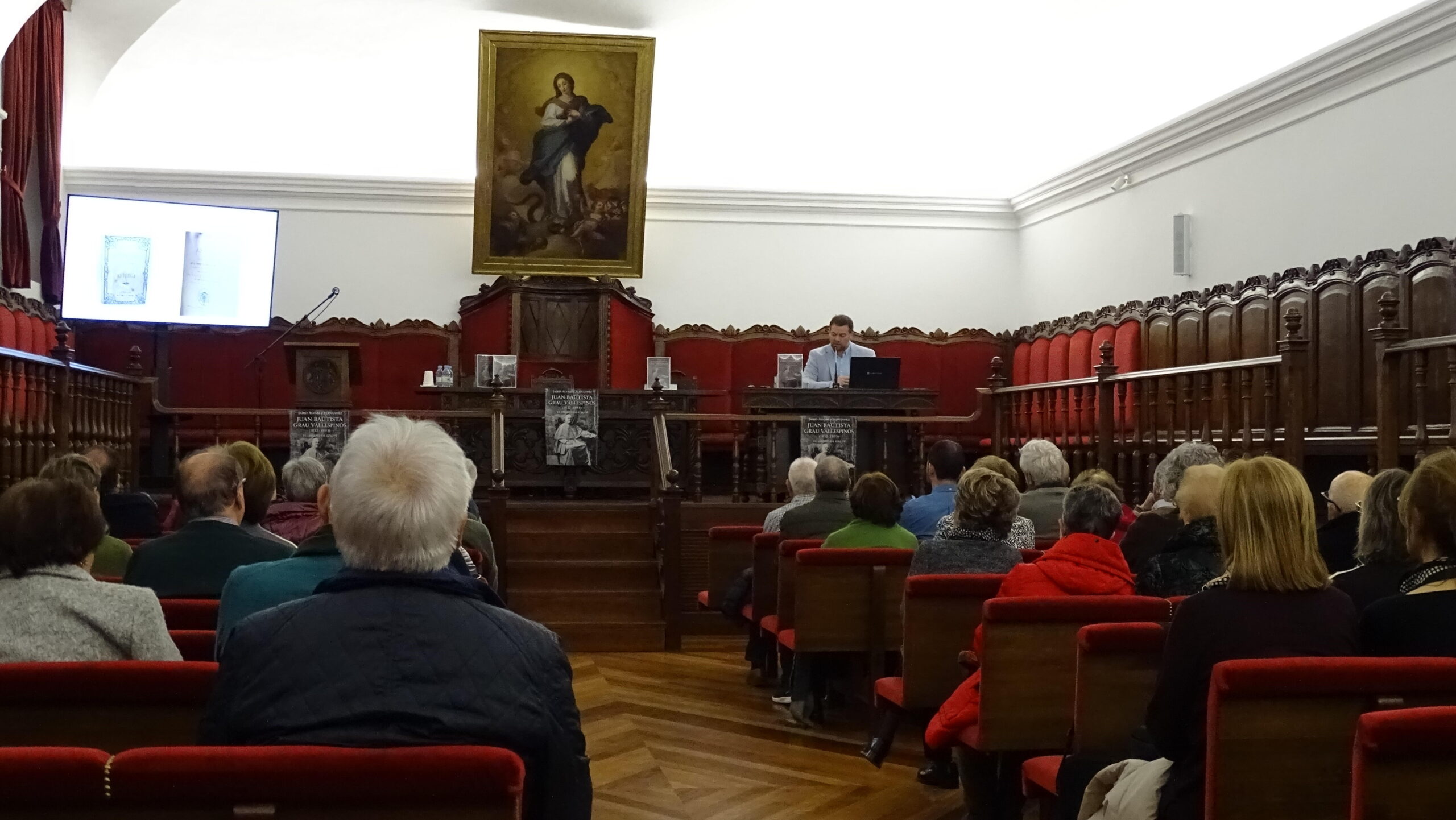
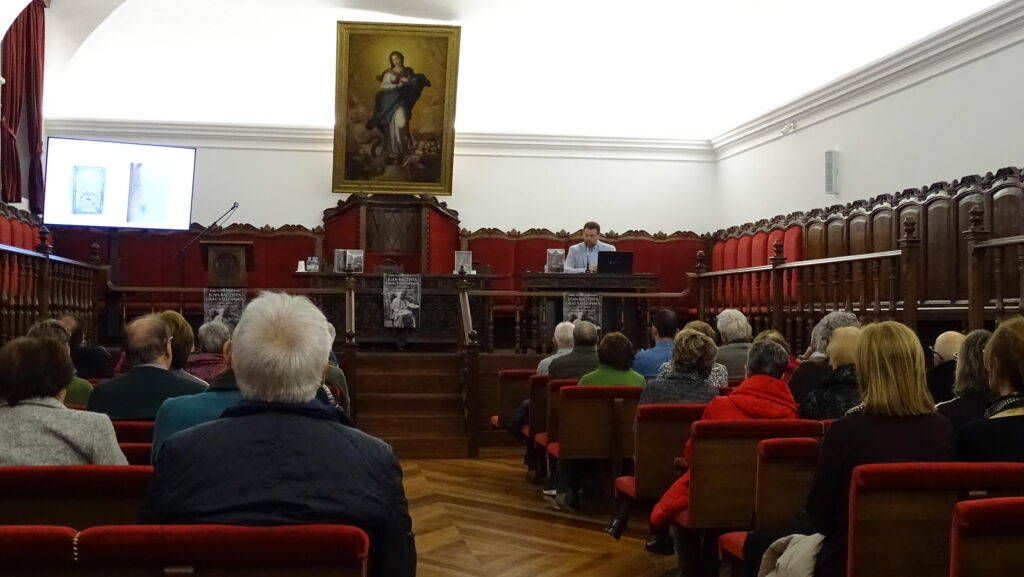
The presentation of the book “Juan Bautista Grau y Vallespinós: el obispo de Gaudí” (Juan Bautista Grau y Vallespinós: Gaudí’s bishop), by researcher Jairo Álvarez, took place on Friday in the main hall of the Seminary. He gave a lecture in which he delved into different aspects of the prelate’s life and his decisive relationship with the architect Antoni Gaudí. The book can be purchased both in the library of the Diocesan Archive and in the Gaudí Palace store.
The event brought together fifty attendees and was attended by the diocesan administrator Javier Gay and the Councillor for Culture of the City of Astorga, Tomás Valle.
During his speech, the author explained how Grau’s life trajectory and his meeting with Gaudí led to the construction of the Episcopal Palace, which today is one of the most unique buildings in the city. In the words of Álvarez, “next October will be the 140th anniversary of the arrival in the Maragata capital of the first Catalan bishop who governed our bimillenarian diocese of Astorga”.
The researcher also underlined the impact that Grau had on the transformation of the city: “Astorga went from being a stagnant and ancient city to a prosperous and modern city, partly thanks to the chocolate industry, but also due to the mark left by two distinguished Catalans: Bishop Grau and the architect Gaudí”. A relationship that, as he pointed out, allowed “modernity to arrive in Astorga, visible in the construction of modernist buildings inspired by the Gaudí spirit”.
Álvarez also highlighted the character of the prelate, whom he defined as “an archetype of the ecclesiastical hierarchy of the end of the turbulent 19th century in Spain,” recalling that his early death cut short a promising ecclesiastical career. “It is we who now affirm that more enlightened minds will contribute in the future to further unveil and deepen the life, work and legacy of this unique Catalan prelate, diocesan reformer and inspirer of Gaudí’s incomparable genius”, he concluded.
Easter Week Concert at the Gaudí Centenary
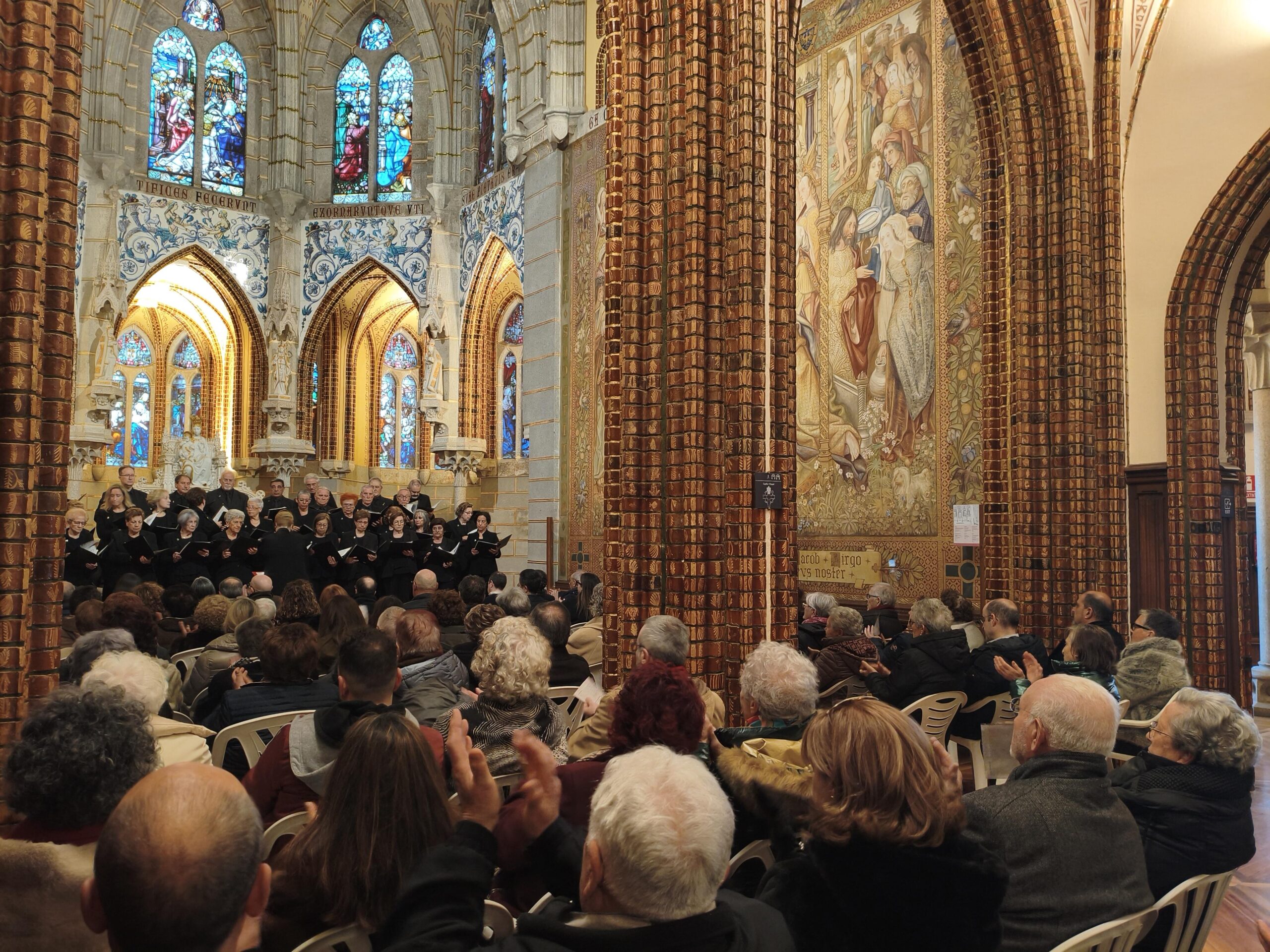
The program continued on Saturday with the Easter Concert in the Gaudí Centenary, which brought together more than 150 people in the palace chapel. In this space, music once again found a privileged setting to accompany the spirit of these days.
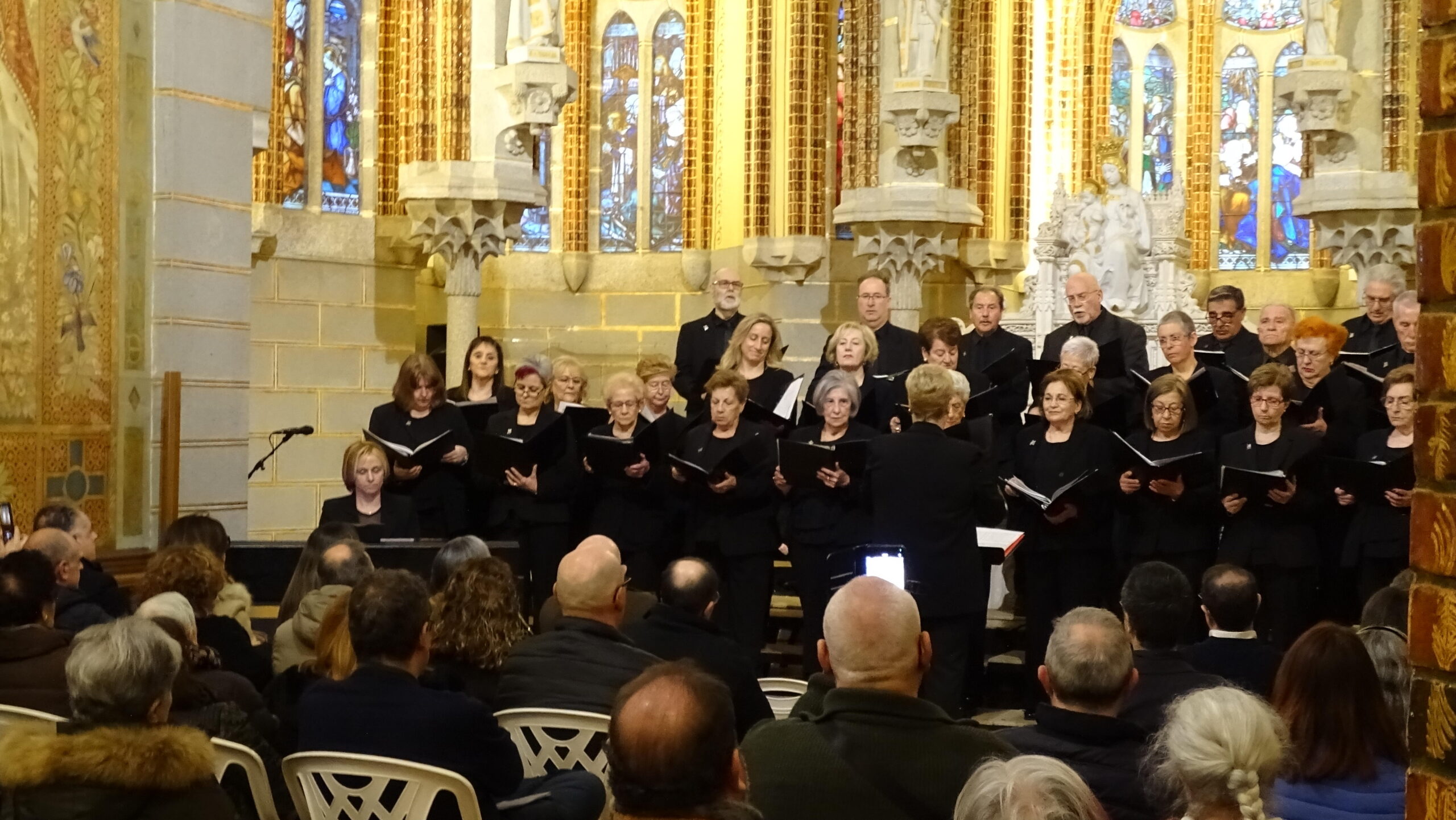
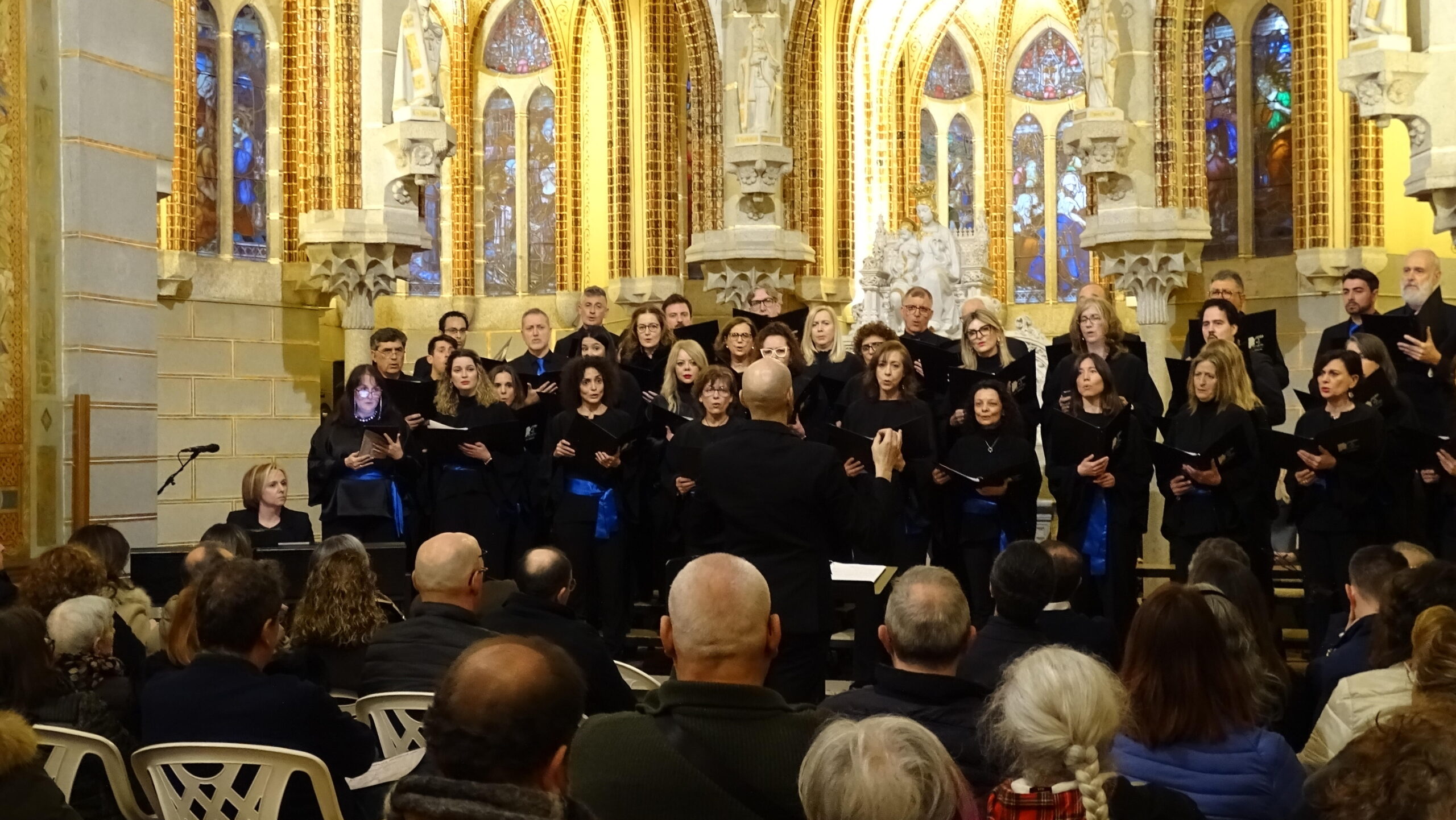
The concert counted with the participation of two choral groups: the City of Astorga Choir “Excelsior” and the Escarcha Choir, which performed a program conceived as a musical journey through the spiritual itinerary of Holy Week from contemplation and recollection to hope and transcendence.
The event also had a special significance for both groups. This year, the Excelsior Choir celebrates its 45th anniversary, while the Escarcha Choir commemorates 30 years of activity, two anniversaries that reflect “perseverance, commitment to choral music and dedication to the cultural life of their communities.
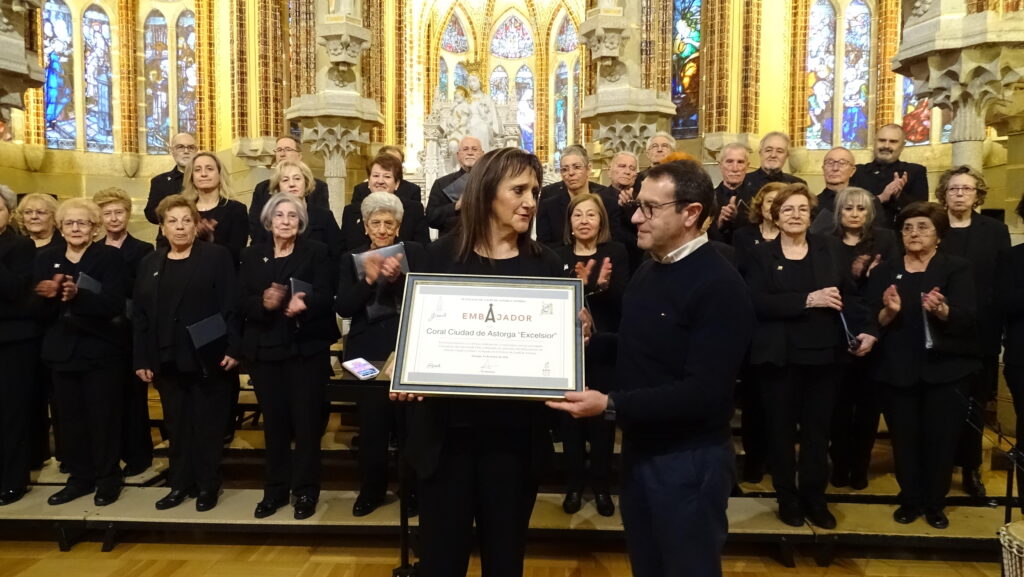
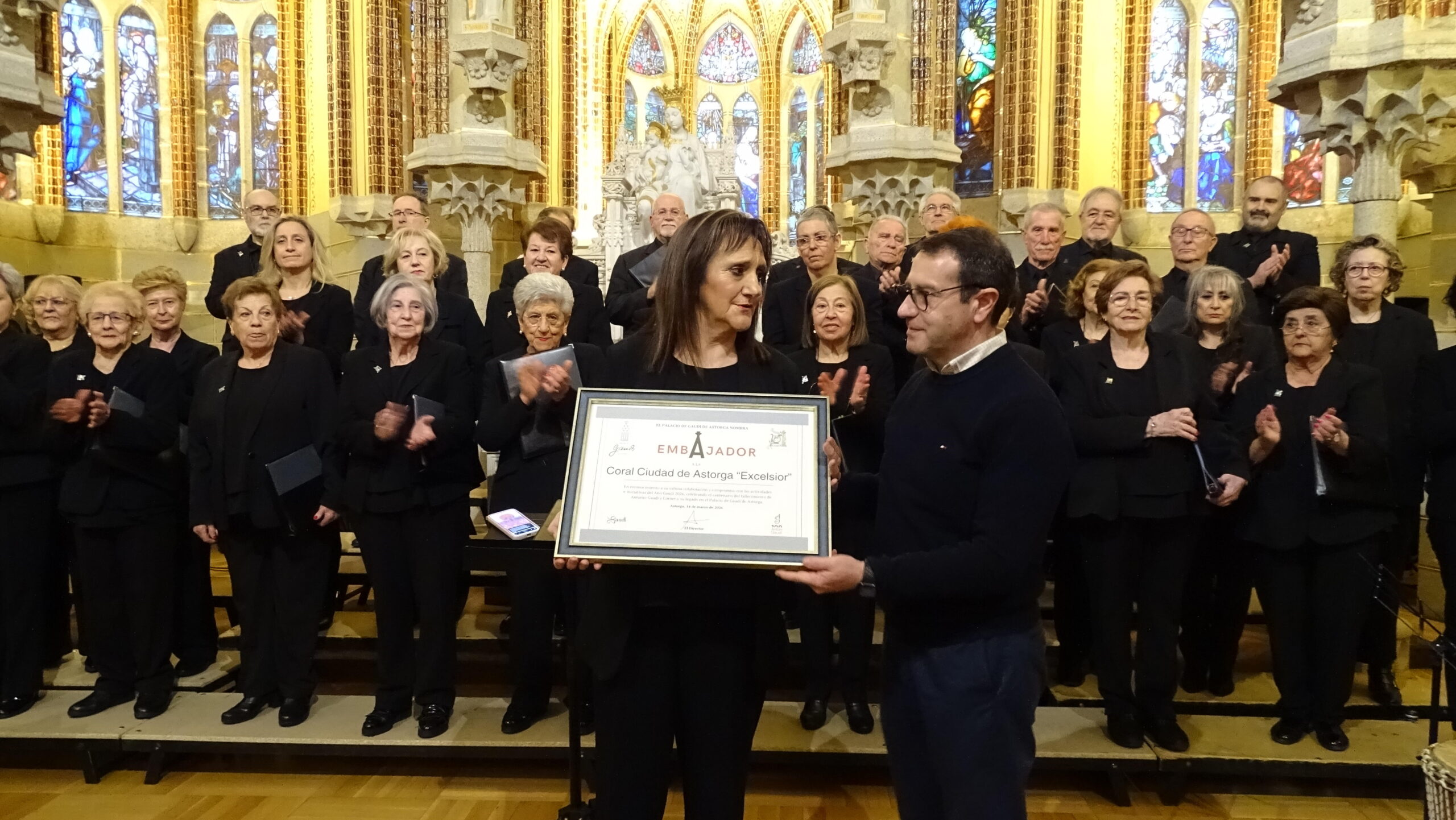
Before the concert began, a Gaudí Palace Ambassador’s Diploma was presented to the City of Astorga Choir “Excelsior”, in recognition of its contribution to the cultural life of the monument and its participation in the programming of the Centennial Year. The diploma was presented by the director of the monument, Victor Murias Borrajo and collected by the president of the formation, Maria del Carmen Gomez Bajo.
The Palace wished to thank both groups for their participation in this concert, which allowed this architectural space to become a meeting place for music, emotion and heritage.
These activities are part of the cultural program organized on the occasion of the centenary of Gaudí’s death, which during the month of March is dedicated to remembering the figure of Bishop Grau, whose initiative made possible the construction of the building that today has become one of the main heritage symbols of Astorga.