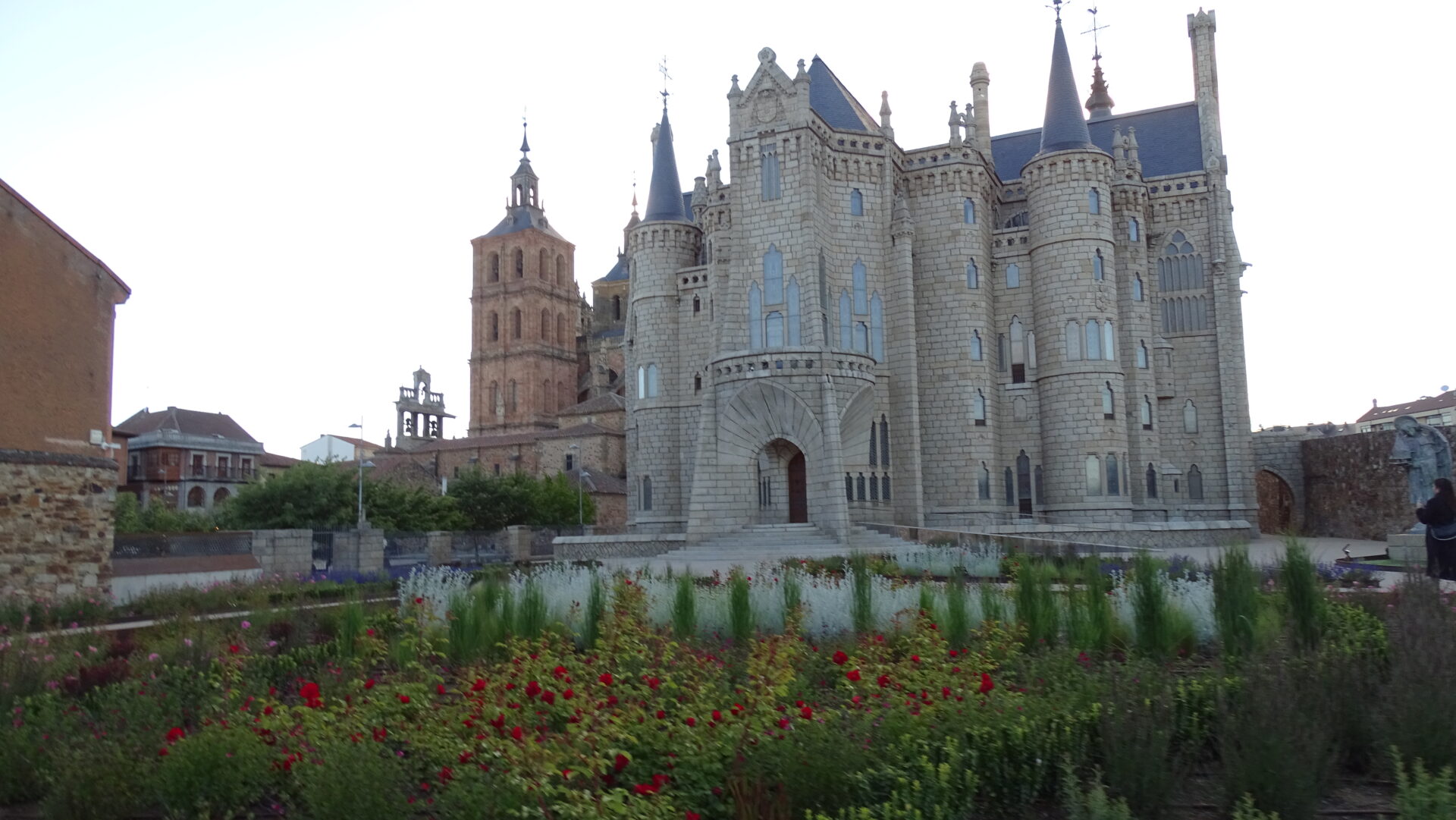
The gardens of Gaudí Palace
The Palace is located on land donated on April 16, 1120 by Queen Doña Urraca to Bishop Pelayo (1098-1121), a large plot of land where a pagan temple was built in ancient times “so that if there were idols of demons there, you could dedicate them to the honor of Our Lord Jesus Christ”, near the current Cathedral of Santa María de Astorga and adjacent to the historic wall of Astorga.
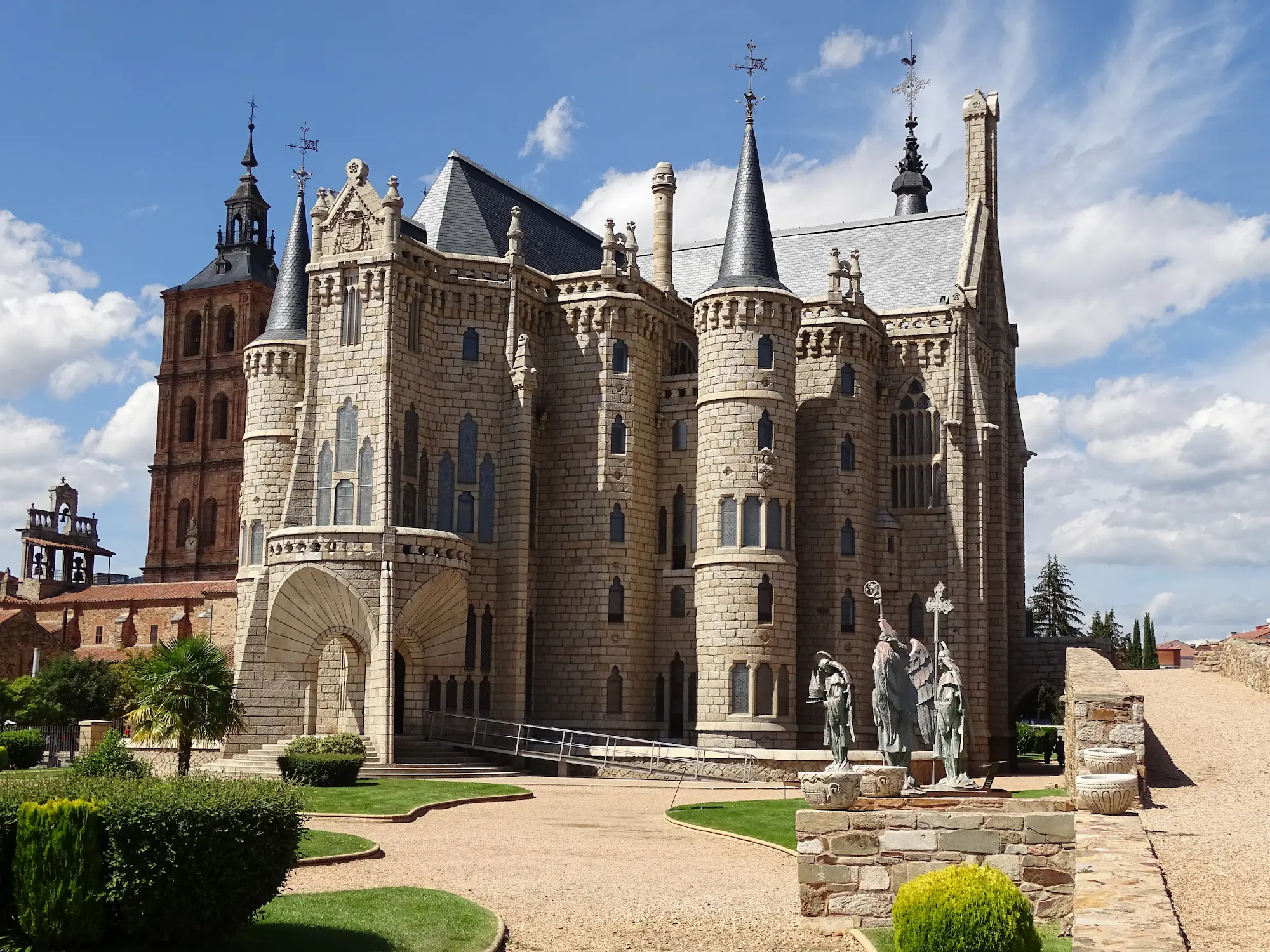
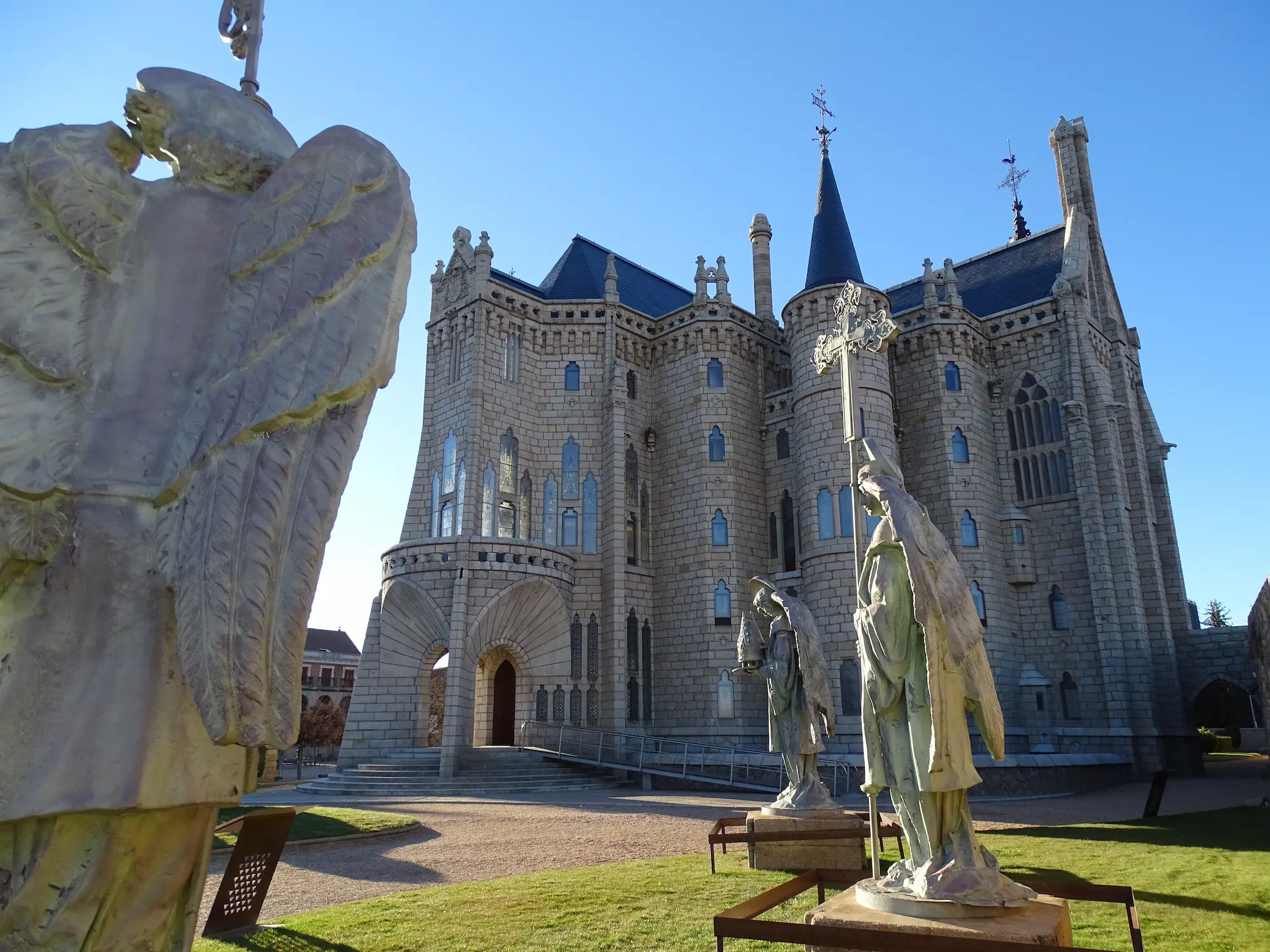
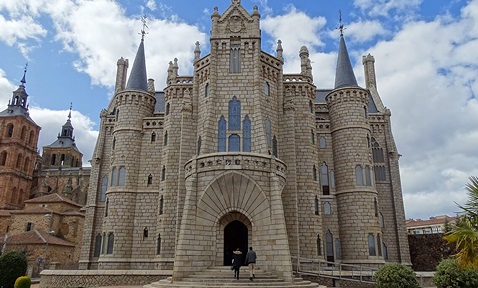
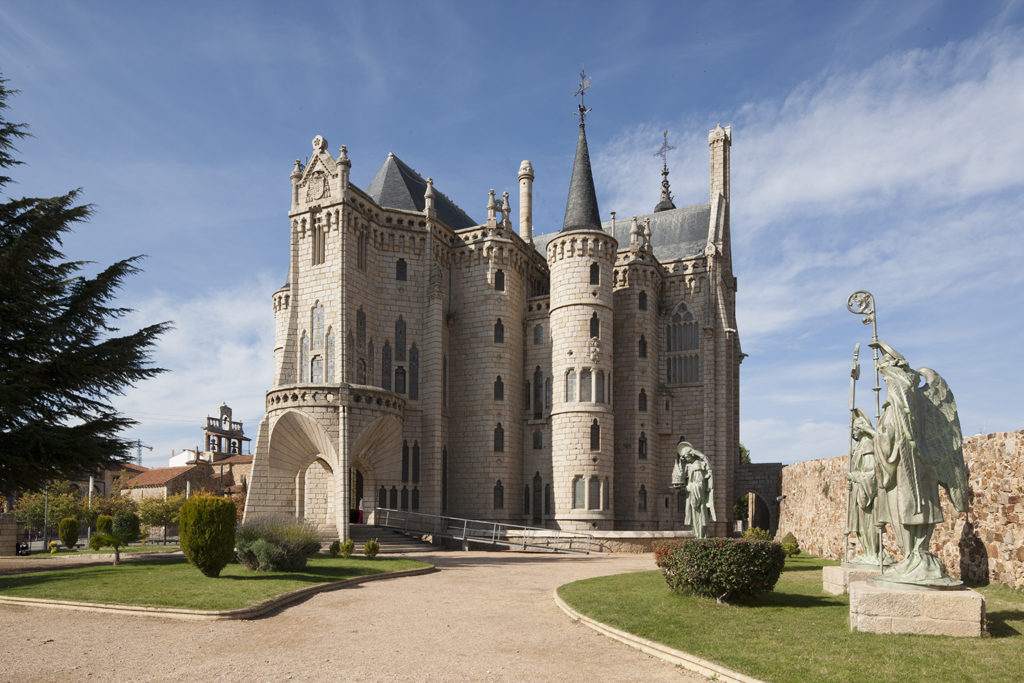
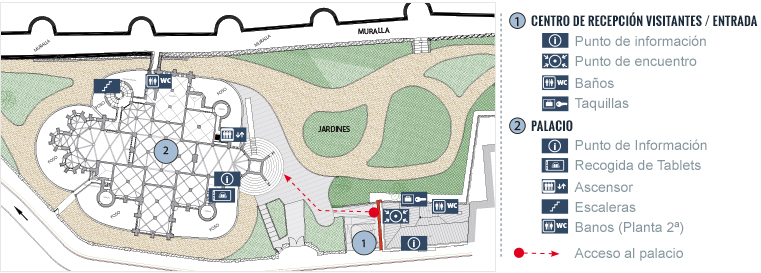
Gaudí recovered the fortification at this point of the city, using it to create a promenade for the bishop and connecting it with a direct access to the main floor of the Palace. The gardens of the Palace accompany the architecture and allow the visitor to observe the building from multiple angles. Decorative and sculptural elements are integrated into the gardens to enhance the visual and scenic experience of the monument.
In addition, in recent years projects have been promoted to adapt and complete the original design of the landscaped environment, respecting the ideas projected by Gaudí and enhancing its cultural and aesthetic value.
Los Angeles
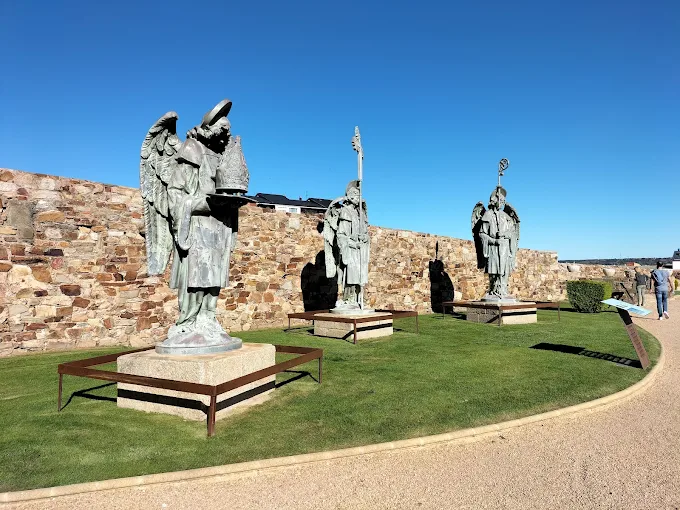
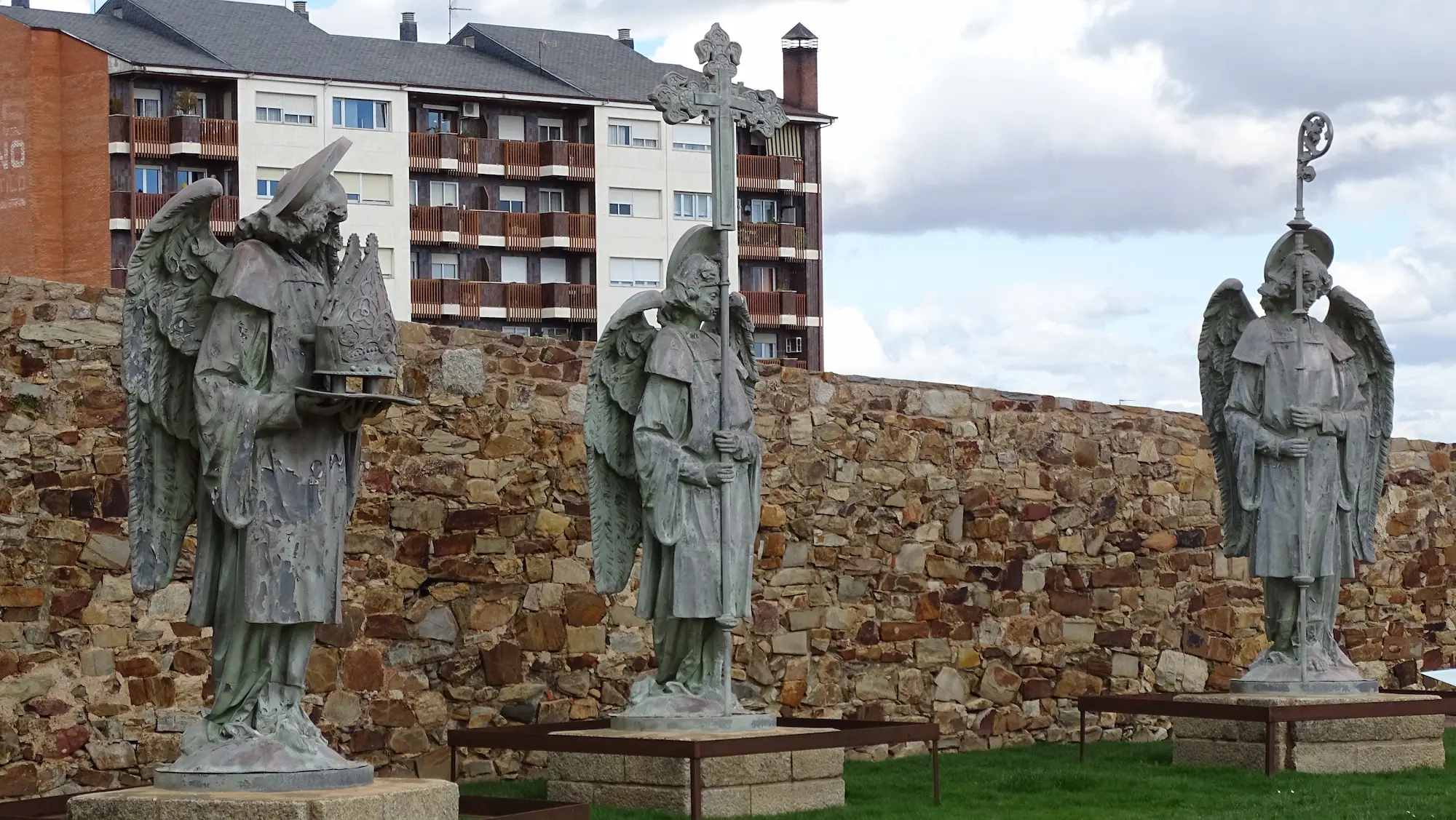
The figures of three angels made of zinc by the Royal Asturian Mining Company in 1913 appeared in the original plans of Antonio Gaudí and were intended to crown the building. The angels are represented with the attributes that represent the bishop: mitre, cross and processional crosier. They are about five meters high and are made of zinc sheet molded on an interior iron frame.