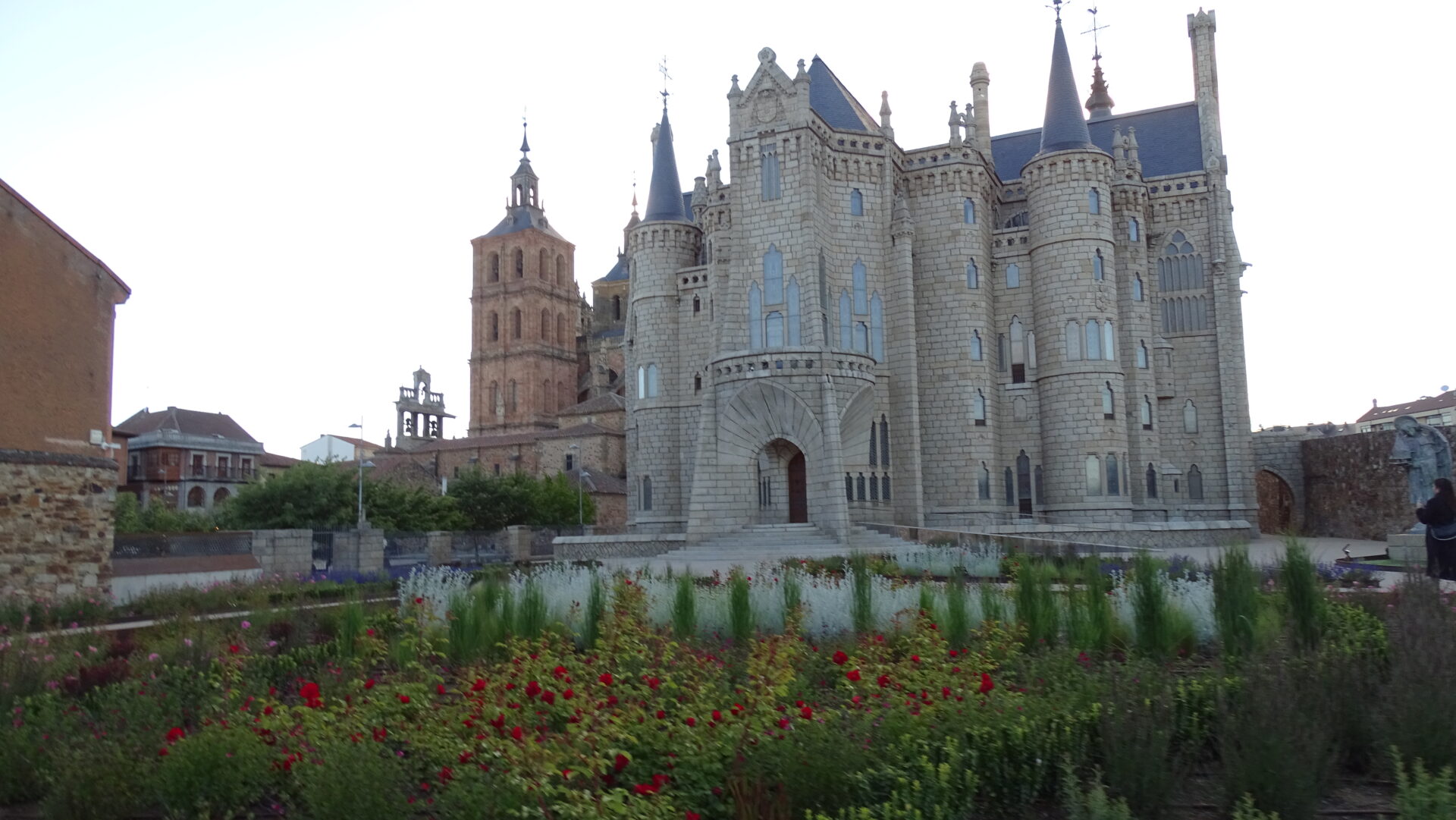
Ground Floor






History of the Asturicense Diocese
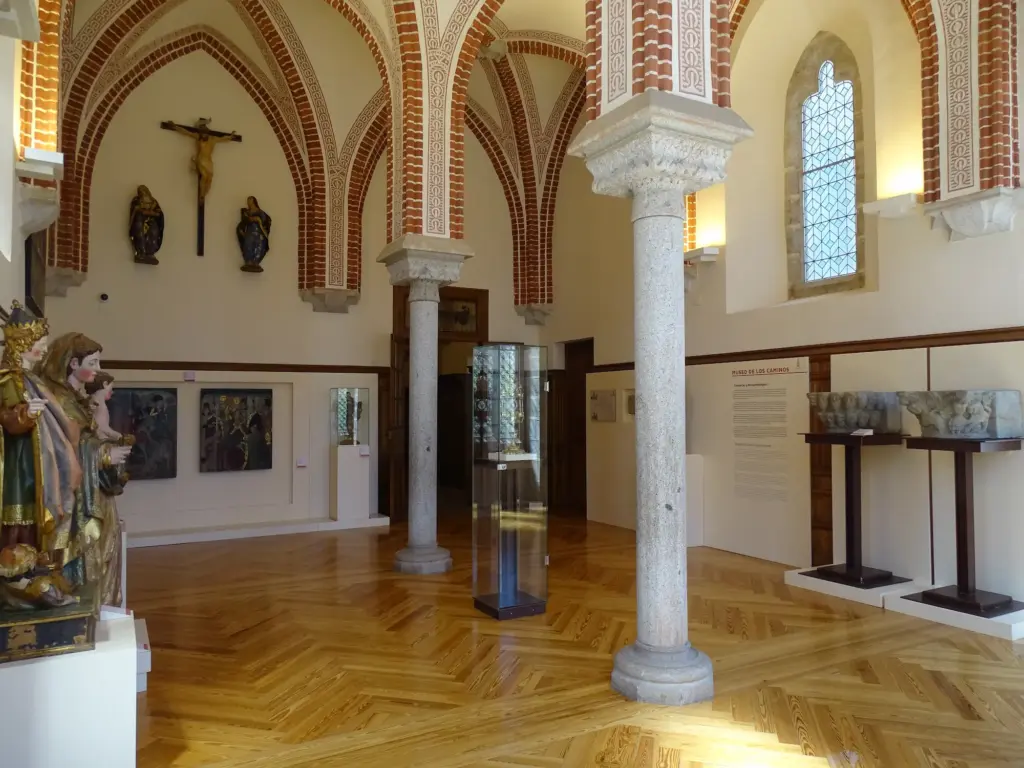
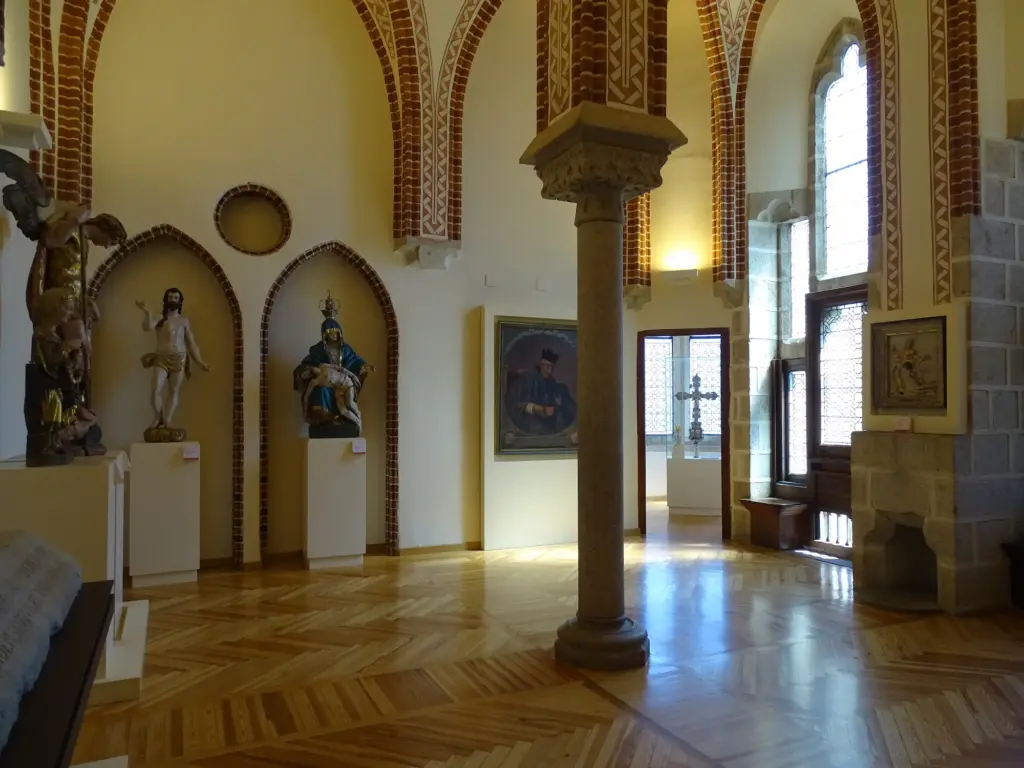
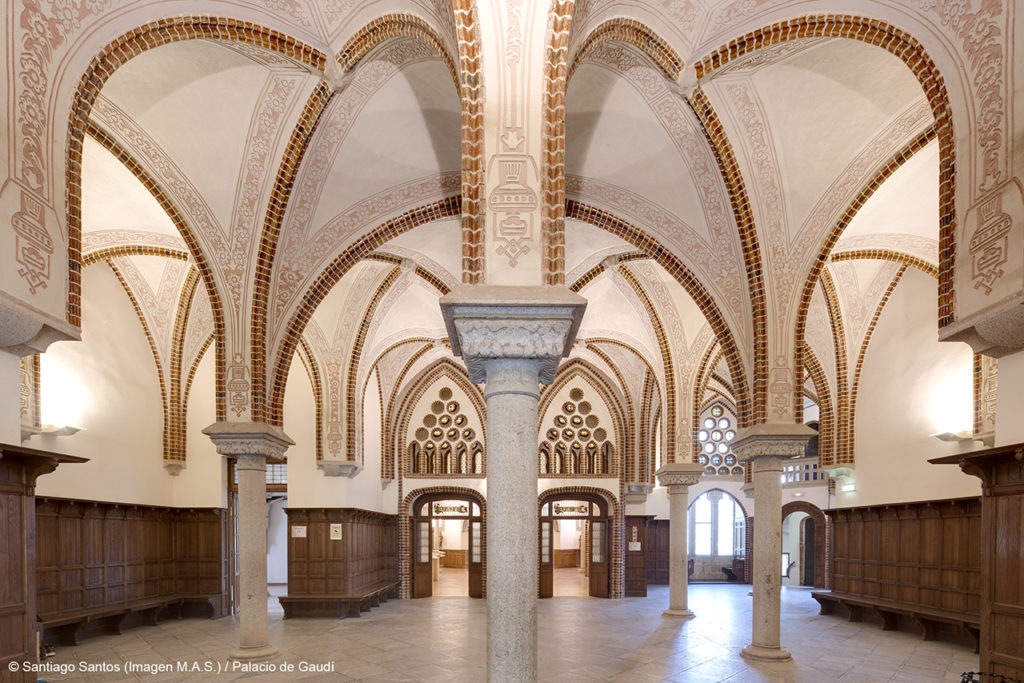
An open space composed of six granite columns with capitals reminiscent of the Mudejar style, as well as the glazed ceramics that line the ribs of the ribbed vaults of an evident Gothic style. This space serves as a distributor for the rooms on the first floor destined to private rooms and two destined to the government offices of the Diocese. These are the rooms of the Lord Butler, Secretary and Provisor. All these rooms narrate the peculiarities of the Diocese of Astorga.
ROOM 1. REMOTE CHRISTIAN ORIGINS
The city of Astorga is unique for its strategic location and for the primitive foundation of its Diocese at the beginning of Christianity in the Iberian Peninsula. The first news speak of a bishopric organized already in the year 254. It is an Apostolic diocese since its origins are related to the apostle who introduced Christianity in the peninsula. It is necessary to stop before the liturgical glass, a piece used among the first Christian communities of this diocese, linked to the Eucharist, baptism or other types of liturgical rites.
ROOM 2. THE CAPITAL AND THE TESTIMONY
Astorga, of Roman origin, called Asturica Augusta, keeps alive one of the most remote testimonies of its Christianity. Santa Marta Asturicense, martyr of imperial times, patron saint of the city since the 17th century.
During the Middle Ages, guilds arose with a charitable character that ran hospitals for pilgrims. Some of these were grouped in an ancient institution that still persists, the Royal Brotherhood of the Five Wounds (Real Hermandad de las Cinco Llagas). A piece from this institution, Santa Ana Triple, can be seen in this room. The three figures, arranged in a staggered order, represent the earthly genealogy of the Savior.
ROOM 3. COUNTIES AND ARCHPRIESTHOODS
The diocese of Astorga today extends over three provinces: León, Zamora and Ourense. This is explained by the fact that this diocese inherited the demarcation of the old Juridical Convent of Asturicense. The different parishes were grouped together to form archpriestships.
Here you will find pieces from the different diocesan counties. All these pieces were at the service of worship in their temples and some of them still maintain their function today, being moved from the Museum on certain occasions. An example of this is the Custody of Jiménez de Jamúz, a delicate piece of gold and silver work from the 16th century.
ROOM 4. POPULAR RELIGIOSITY
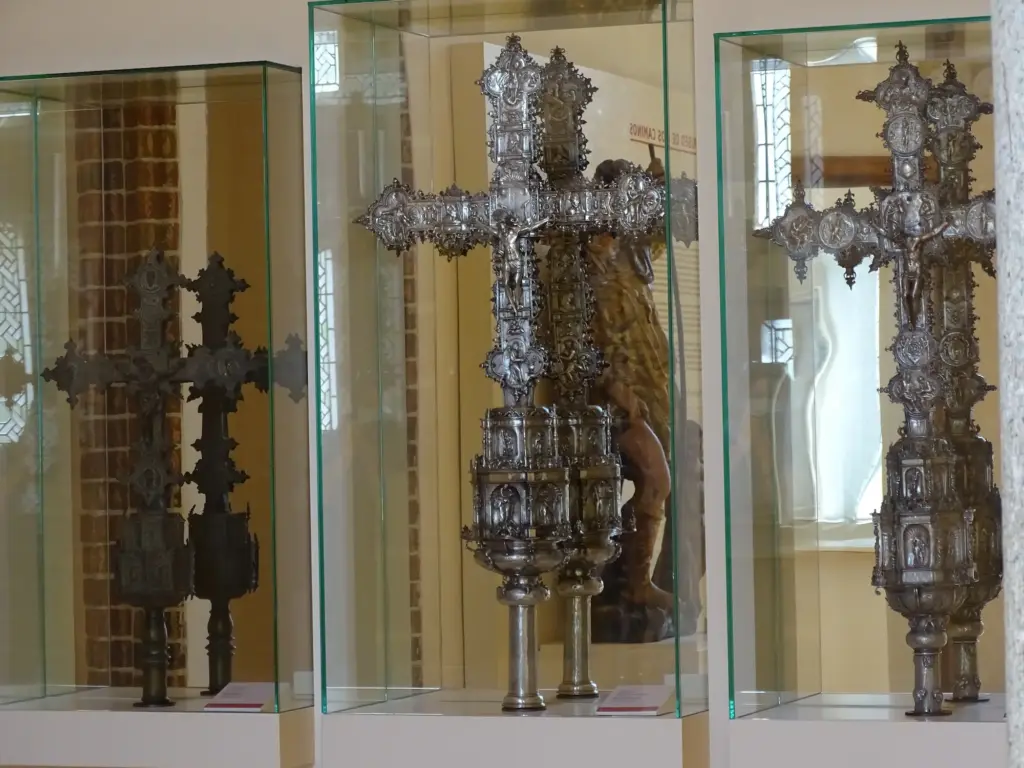
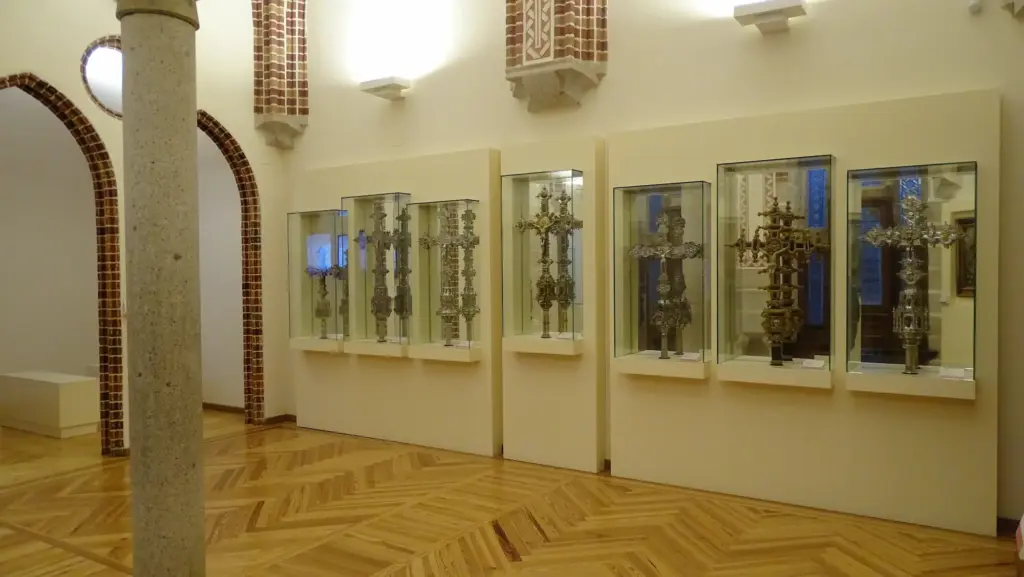
This room is dedicated to one of the signs of identity of the diocese of Astorga: the deep-rooted religious tradition and popular piety that are visible in pilgrimages, festivities in honor of the Virgin and in the devotion to salutary saints such as the veneration of San Roque. It is appropriate to stop before the Cross of Castrotierra, which leads one of the pilgrimage processions in honor of Our Lady of Castro.
ROOM 5. THE ROAD IN THE FOOTSTEPS OF SANTIAGO
This room is dedicated to the transcendence of the santiago phenomenon in the diocese of Astorga. Here different iconographic typologies of St. James the Apostle are shown. We have to emphasize the Santiago pilgrim of Turcia, anonymous Flemish carving of the XVI century.