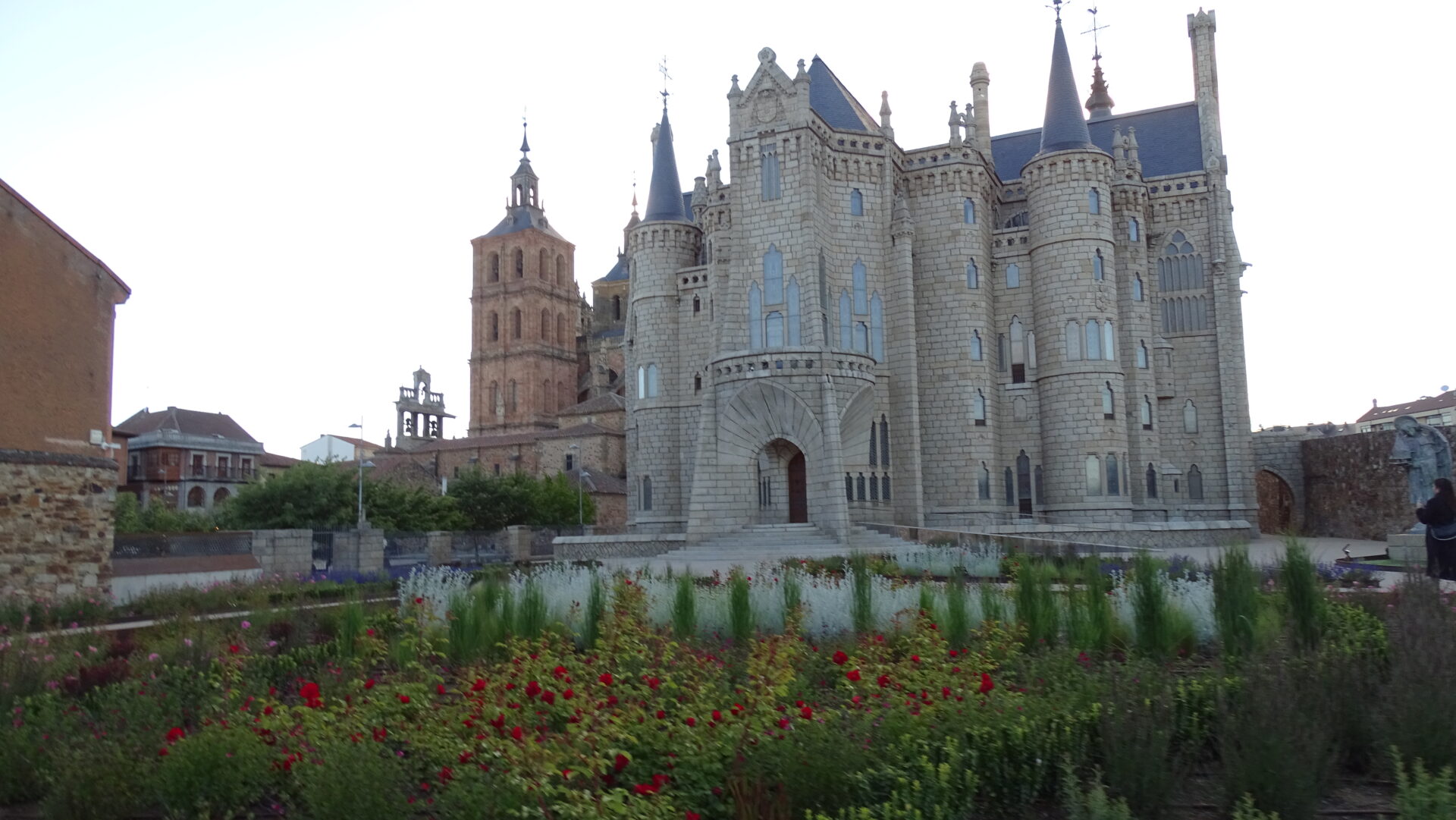
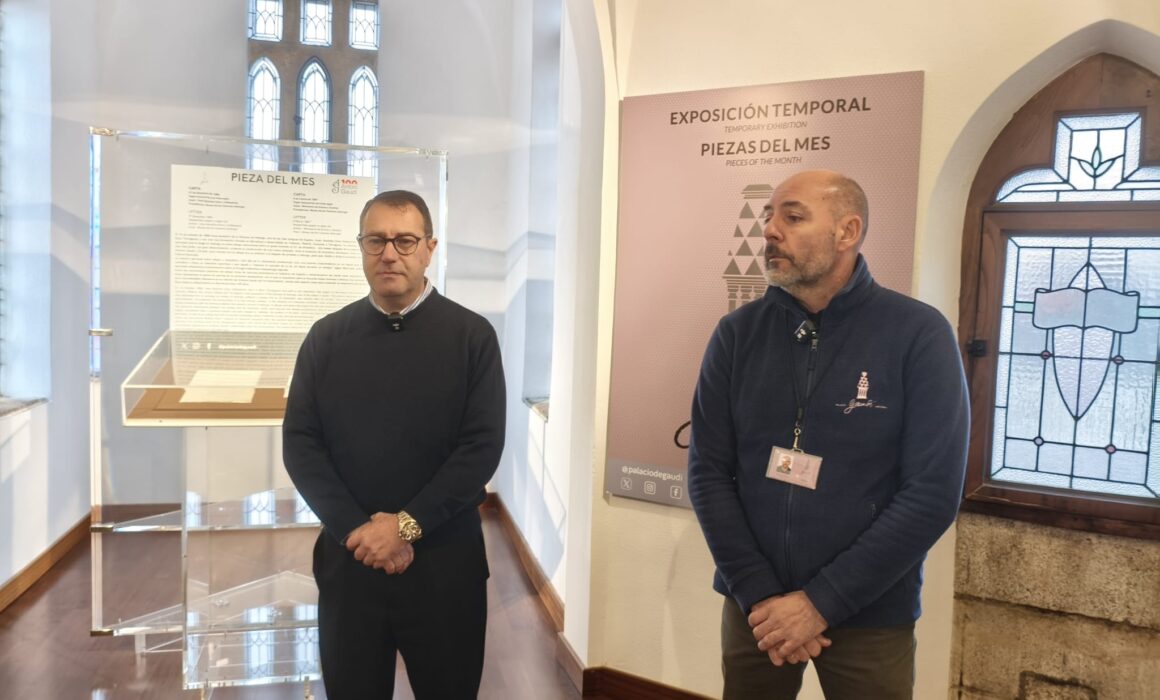
The Museum of the Ways of Gaudí Palace continues in 2026 with the project The Piece of the Month, an initiative already consolidated in recent years that invites the public to discover, month by month, unique works linked to the history and story of the Episcopal Palace of Astorga. This year, linked to the centenary of the death of the architect, the program will focus specifically on the figure of Antonio Gaudí.
The curator of the exhibition, Alfonso Nistal, explained on Monday that the twelve pieces that will be shown throughout the year will come from both the museum’s own collections and from a “generous temporary loan” from the Sagrada Familia Foundation, which will enrich the exhibition discourse with works of special relevance.
Each piece will be exhibited during the corresponding month on the second floor of the Palace, within the space set aside for this project. Once this period is over, the work will be moved to a specific room on the main floor, where it will remain until the end of the year, integrated into the permanent exhibition, always in relation to the museum narrative and the historical-artistic context of the Palace.
According to Nistal, the aim of the project is that “all the protagonists of the Palace of Astorga are somehow present”, highlighting Antonio Gaudí as a key figure in his role as architect, but also highlighting his human dimension and, especially, his Christian profile, fundamental to understand his work and thought.
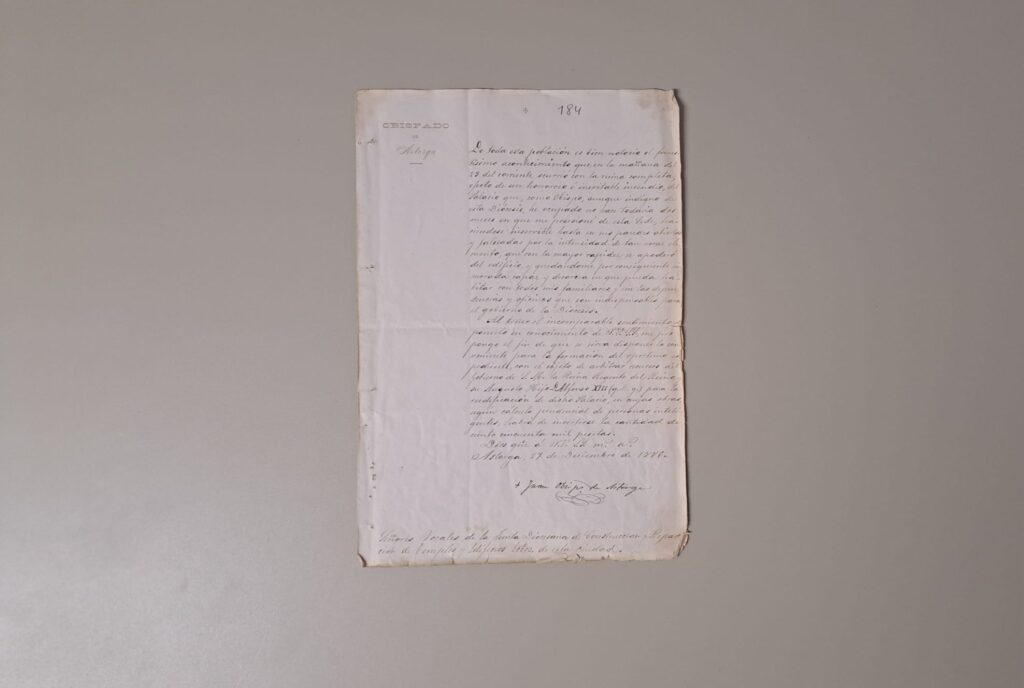
The highlight of this month of January are two letters, the first signed by Bishop Juan Bautista Grau asking Antonio Gaudí to design and direct the new project for the bishop’s residence after it burned down on December 23, 1886. The personal relationship between bishop and architect, beyond the merely professional, had an enormous transcendence in a Gaudí who always considered Grau a spiritual reference and who helped to “rekindle the embers of his faith, without flame for a time” according to Martinell, in addition to providing him with invaluable knowledge about the Tridentine liturgy or sacred archeology.

These two documents – request of the bishop Grau of economic resources to the Government of Spain and appointment of Gaudí as architect of the work – represent the starting point of an exceptional project, with which the architect opens his fruitful Leonese stage and strengthens a friendship that had an undoubted relevance in the relationship of Antonio Gaudí with the transcendent, being this aspect key to understanding the trajectory of the genius of Reus until his death in Barcelona 100 years ago.
Palace Ambassadors
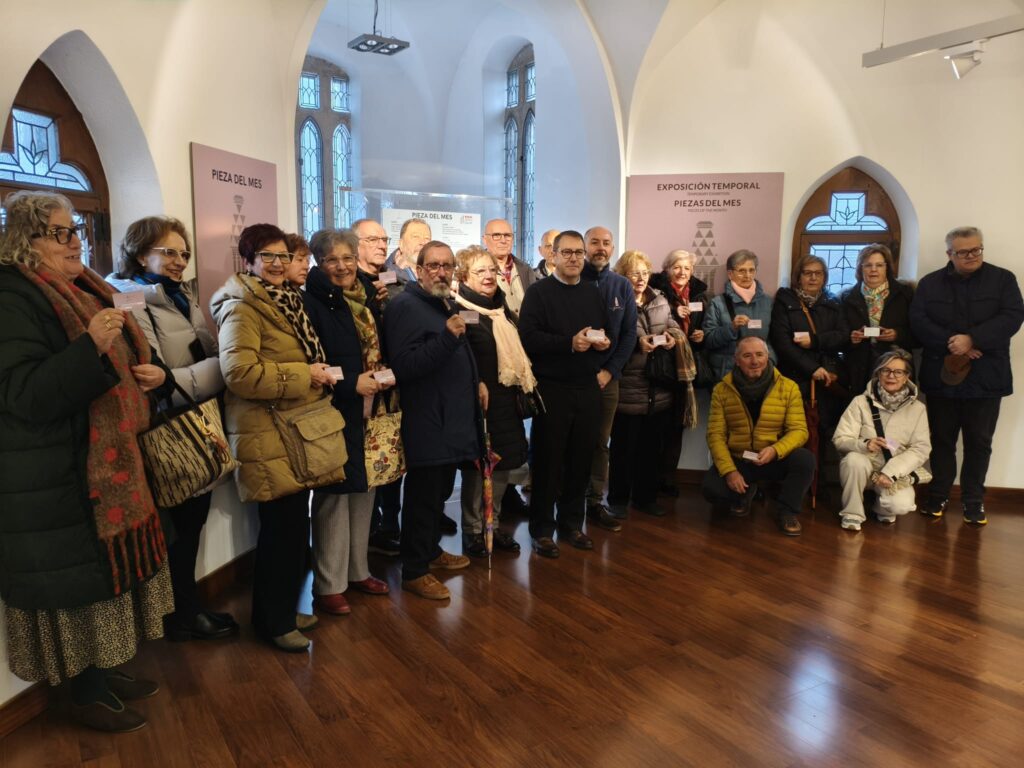
During the program’s presentation ceremony, the first project ambassador cards were also handed out to the 20 people who have already joined this initiative, designed to involve citizens in the dissemination and support of the museum’s cultural activities.
With this new edition of La Pieza del Mes, the Museo de los Caminos reaffirms its commitment to the dissemination of heritage, research and active public participation, offering a renewed and profound look at the figure of Antonio Gaudí and his legacy in Astorga.