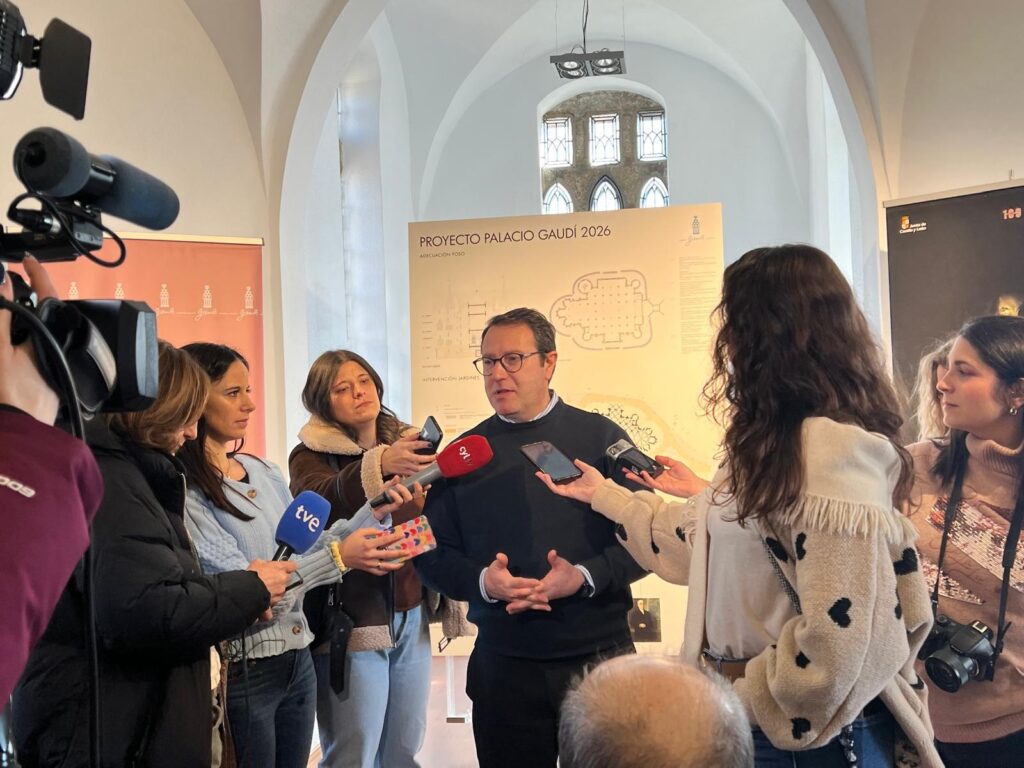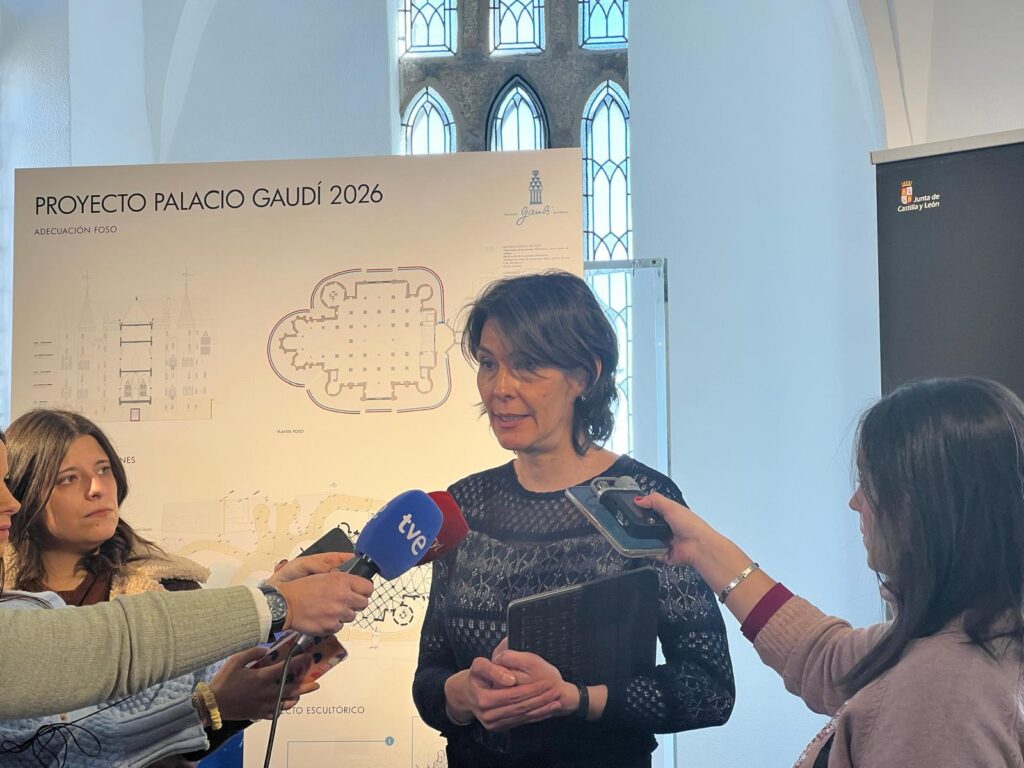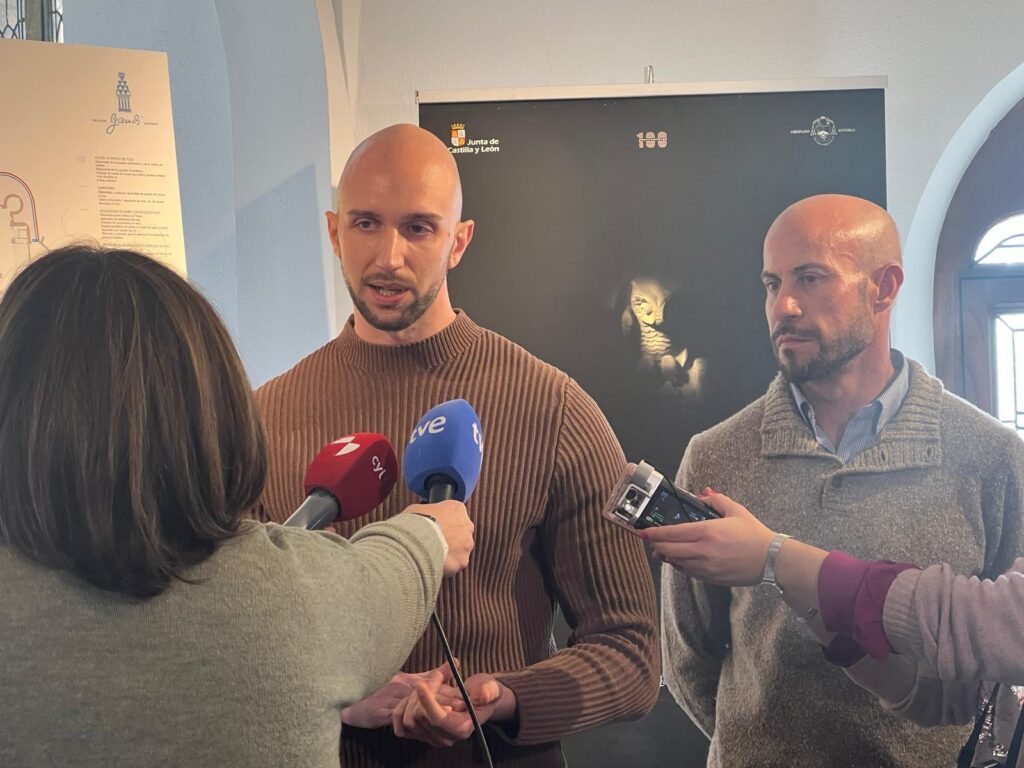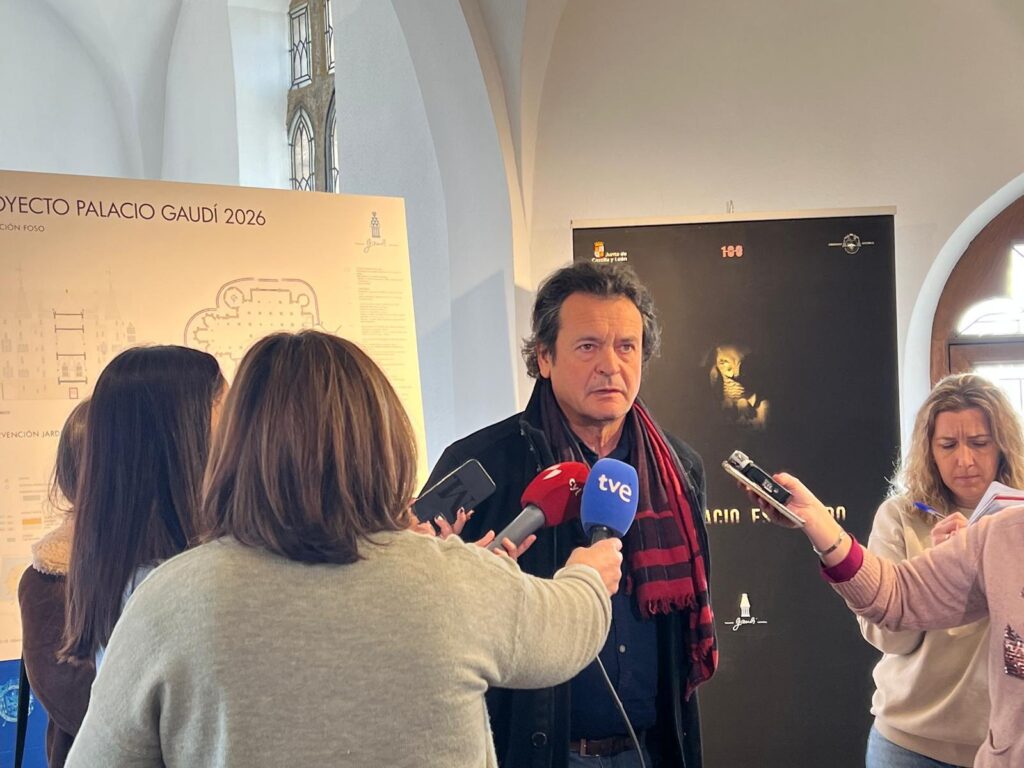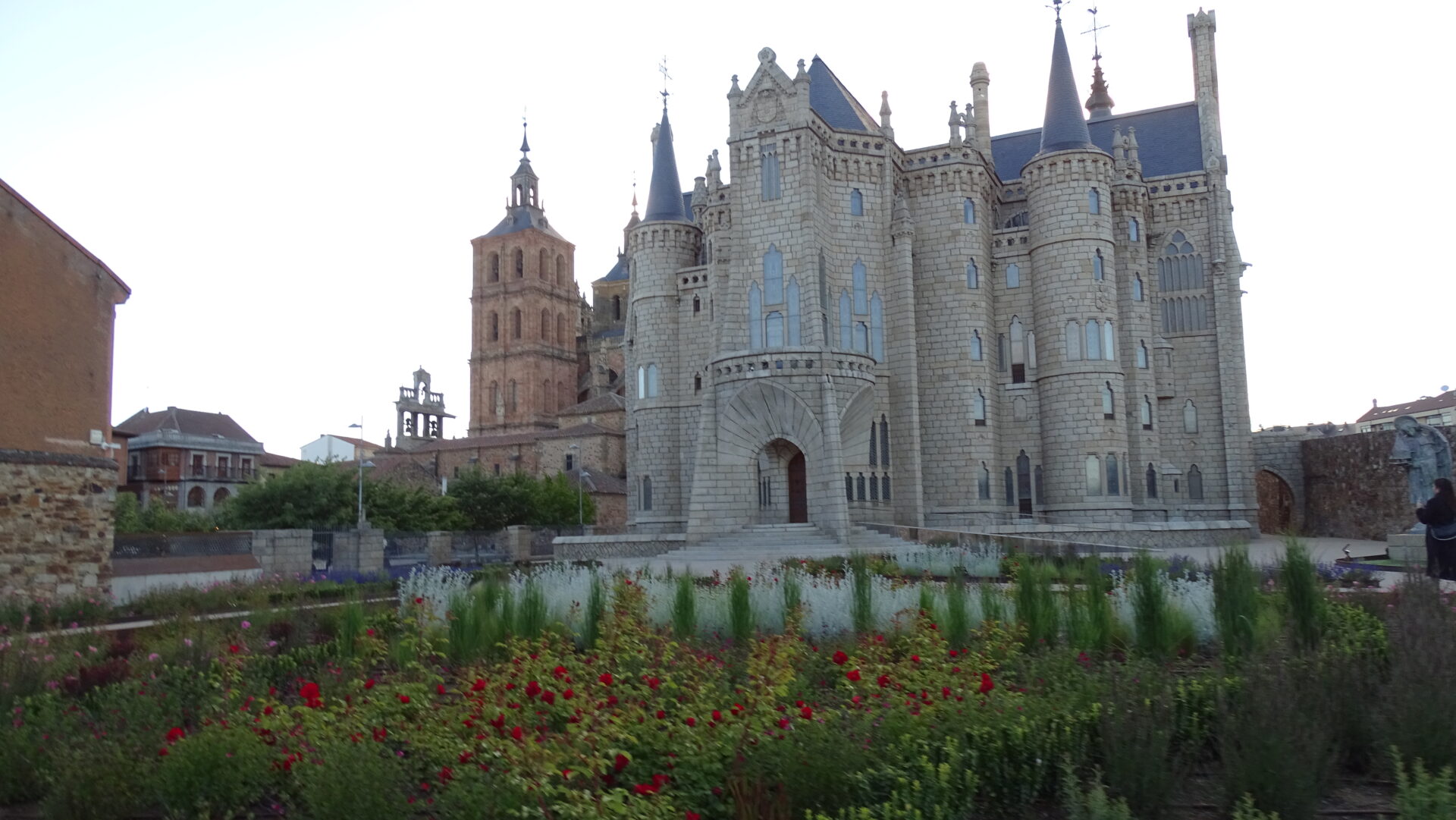
In 2026 the centenary of the death of the famous architect Antonio Gaudí will be celebrated. In this context, the Gaudí Palace in Astorga has initiated the ambitious project “Gaudí Palace 2026”, which will include various actions to renovate the monument and offer new opportunities for its discovery and enhancement. “This year 2026 comes motivated to adapt and musealize more spaces of the Palace to help us to expand the file for the declaration of World Heritage Site by UNESCO,” said Monday, February 3, the director of the Palace, Victor Manuel Murias. He also recalled that in Astorga and the province of León two of the most international artistic brands converge: Gaudí and the Camino de Santiago.
Among the outstanding initiatives of this project is the cleaning and adaptation of the moat, one of Gaudí’s architectural geniuses for the Palace. The architect Virginia González will lead this intervention, which will make it possible to incorporate this space into the “Hidden Palace” tour, which will be inaugurated in May 2024 and will reveal previously unseen corners of the monument. In this project, the walls and floors of the basement will be adapted, as well as an improvement of the lighting throughout the basement for the tour.
Another of the fundamental axes of the project will be the landscaping and updating of the Palace gardens, respecting the original design based on Gaudí’s plans and his architectural style. The intervention will include the renovation of the surroundings and the variation of some elements within the composition, ensuring that the space reflects the essence of the architect. This renovation and improvement will allow the gardens to become a living tribute to his figure and legacy. The work will be carried out by architect Raúl Villafáñez, from VIRA Arquitectura, and landscape architect José Luis Alonso, from A2 Estudio.
Likewise, the sculptor Amancio González will contribute to the commemoration with the creation of three sculptures that will pay tribute to the main promoters of the Palace: Juan Bautista Grau y Vallespinós, bishop of Astorga; Antoni Gaudí, architect of the building; and Pío Gullón, politician from Astorga. Various activities will be organized around each figure to learn more about their history, culminating with the unveiling of each sculpture. The location of the works will be determined according to the representativeness of the place for each character and its importance in the history of the Palace. In addition, he noted that he will also make a model of the building that will serve to understand its architecture not only visually, but also tactilely.
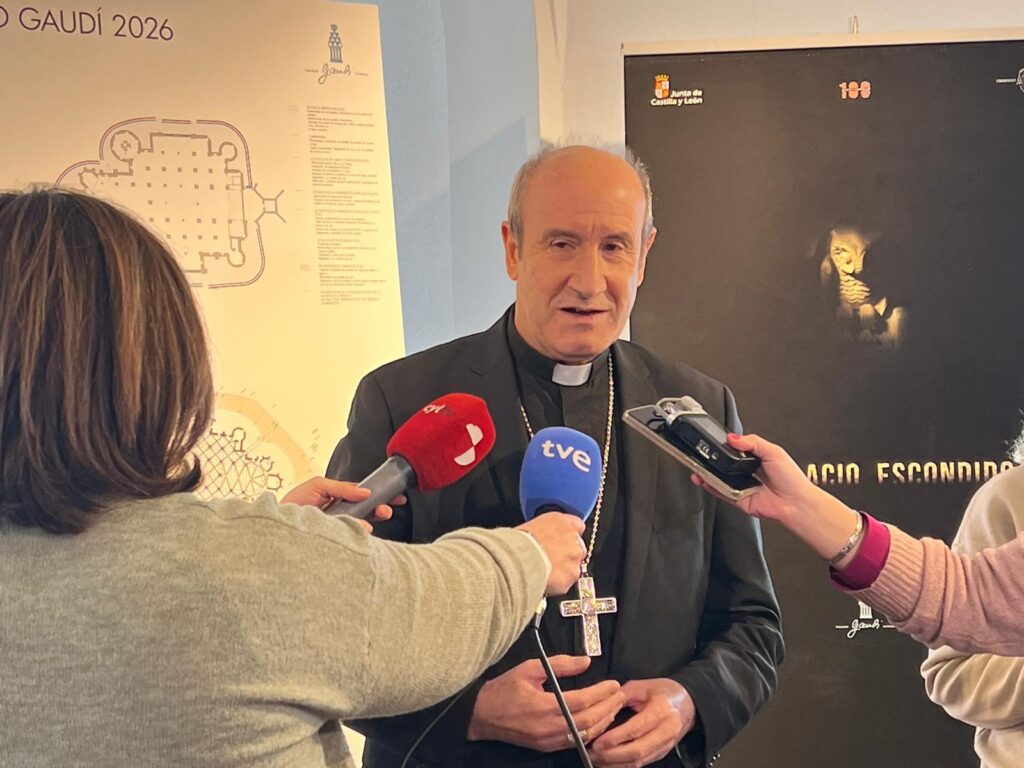
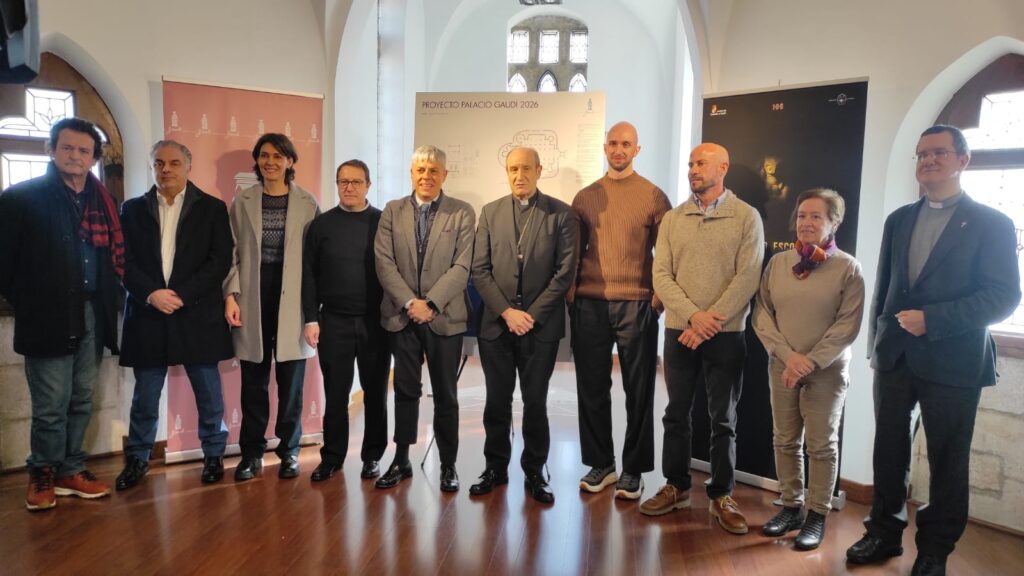
The bishop of Astorga, Jesús Fernández, closed the presentation ceremony by thanking the institutions and the media for their presence and pointed out that these activities serve to enhance the value of Astorga’s heritage.
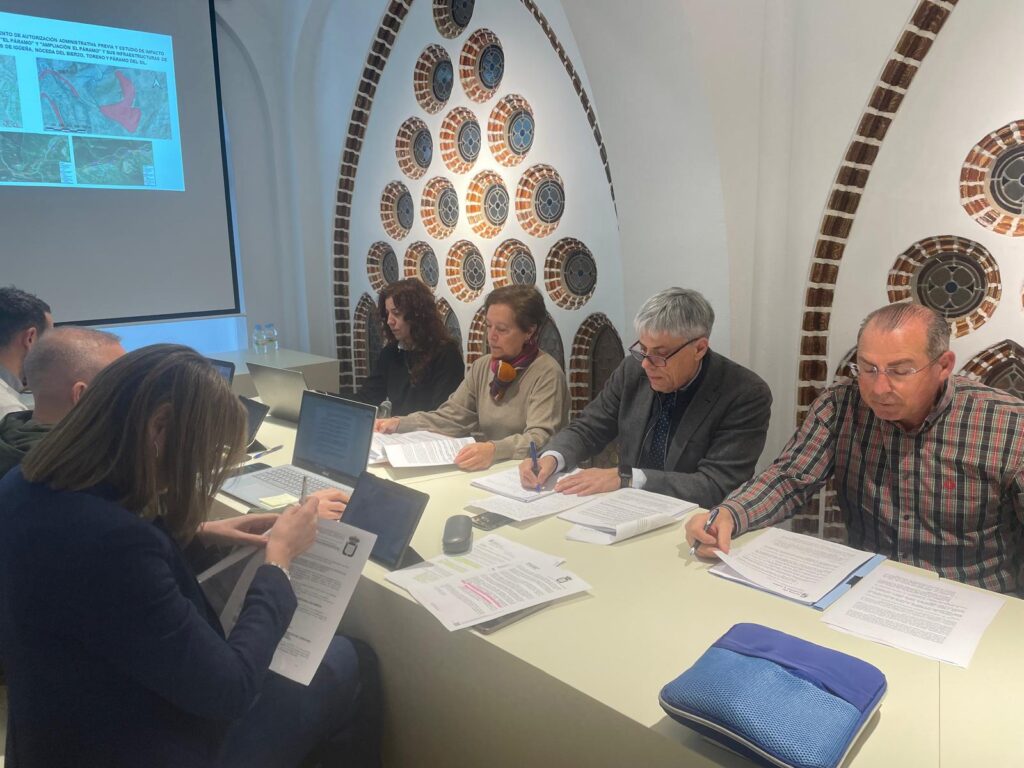
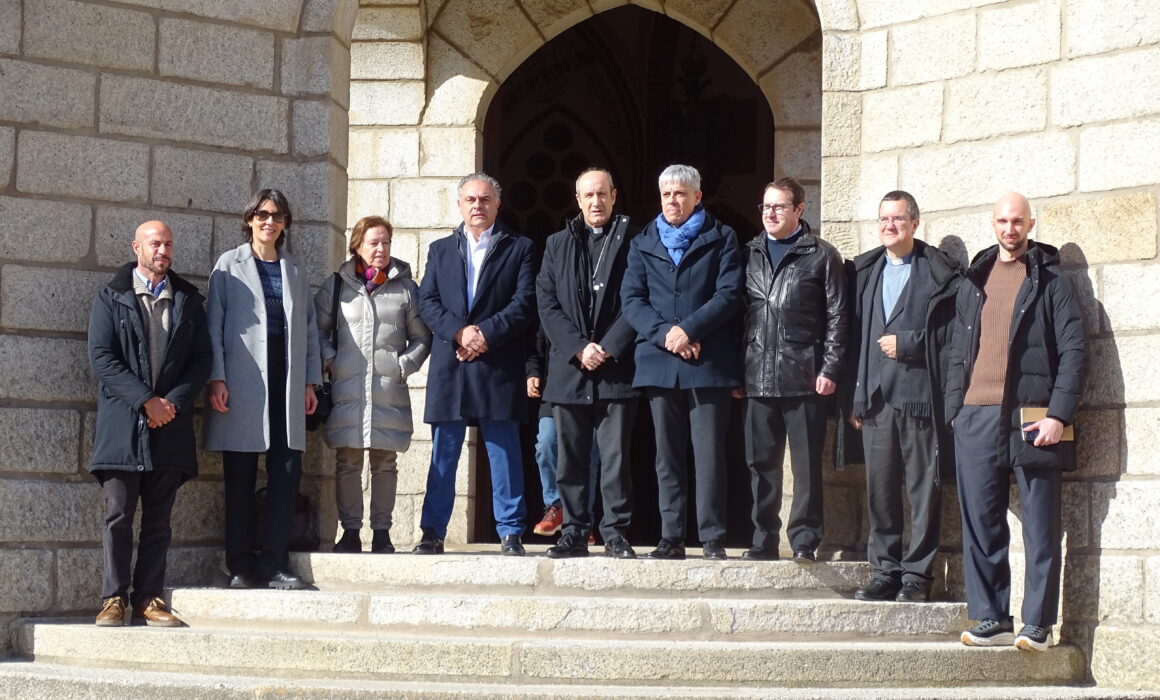
Also present on Monday at the presentation of the project were Eduardo Diego Pinedo, territorial delegate of the Junta de Castilla y León in León; Amelia Biaín, head of the Territorial Service of Culture of the Junta in León; and José Luis Nieto, mayor of Astorga. With these actions, the Gaudí Palace reinforces its commitment to the dissemination and conservation of Gaudí’s heritage, offering a renewed perspective on the architect’s work.