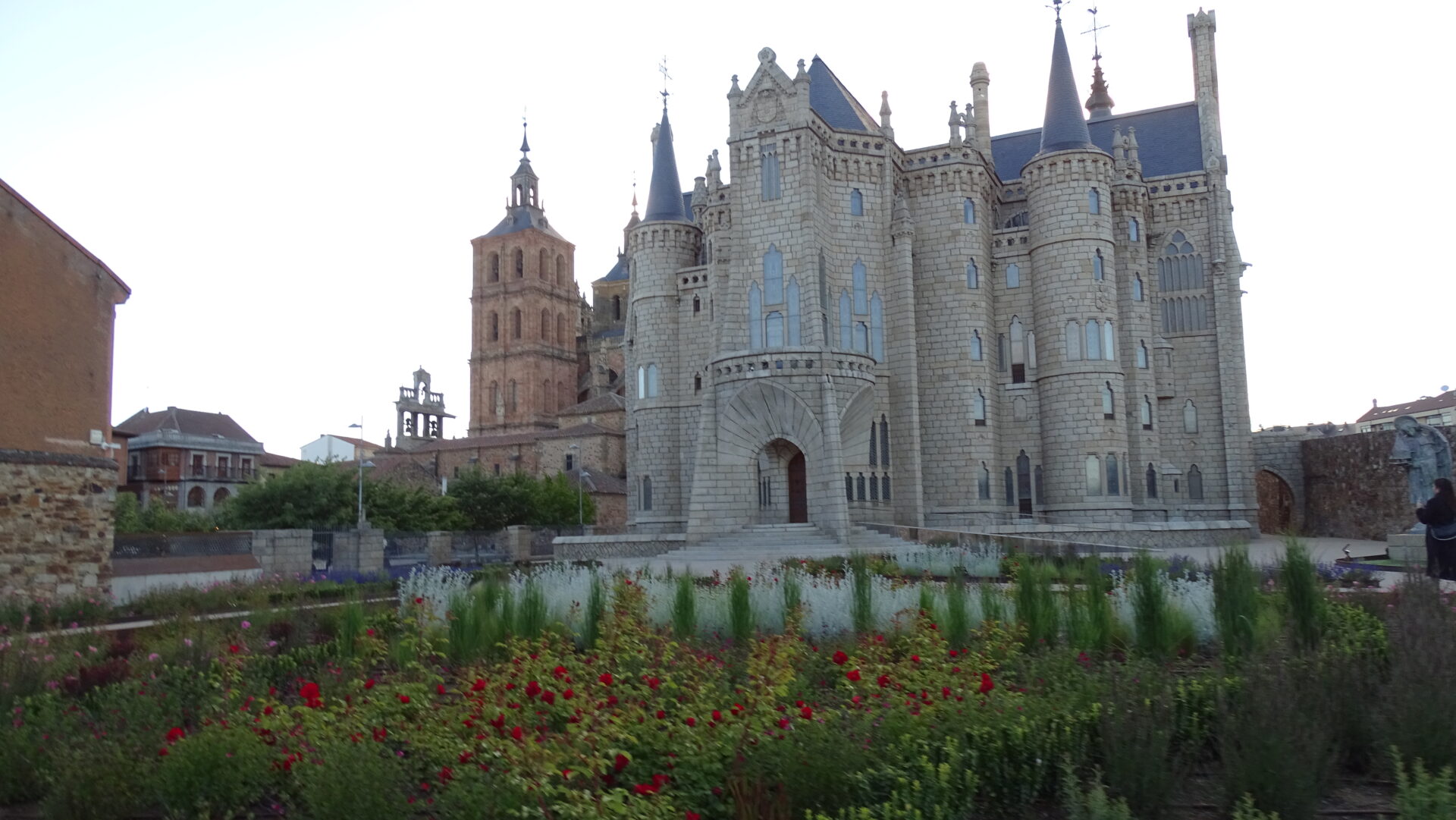
The Gaudí Palace in Astorga has culminated this December the musealization project of the basement directed by Manuel Arias, deputy director of the National Sculpture Museum of Valladolid, and developed by Imagen MAS. One of the most important aspects is not the installation of new pieces but the new location and display elements, which have been changed to be in line with the Lapidary and Epigraphic Museum.
The Lapidary Museum was founded in 1912, a novel initiative born from an idea of Bishop Juan Bautista Grau to found a diocesan museum. Four panels have been installed at the back of the room where the architectural design of Gaudí is discussed, the origins of the museum, as well as the old cartouches that explained the pieces and the tombstones. A text is also dedicated to the priest Marcelo Macías, a scholar of the history of Astorga and a key figure in the setting up of the Epigraphic Museum in the basement of Gaudí’s Palace.
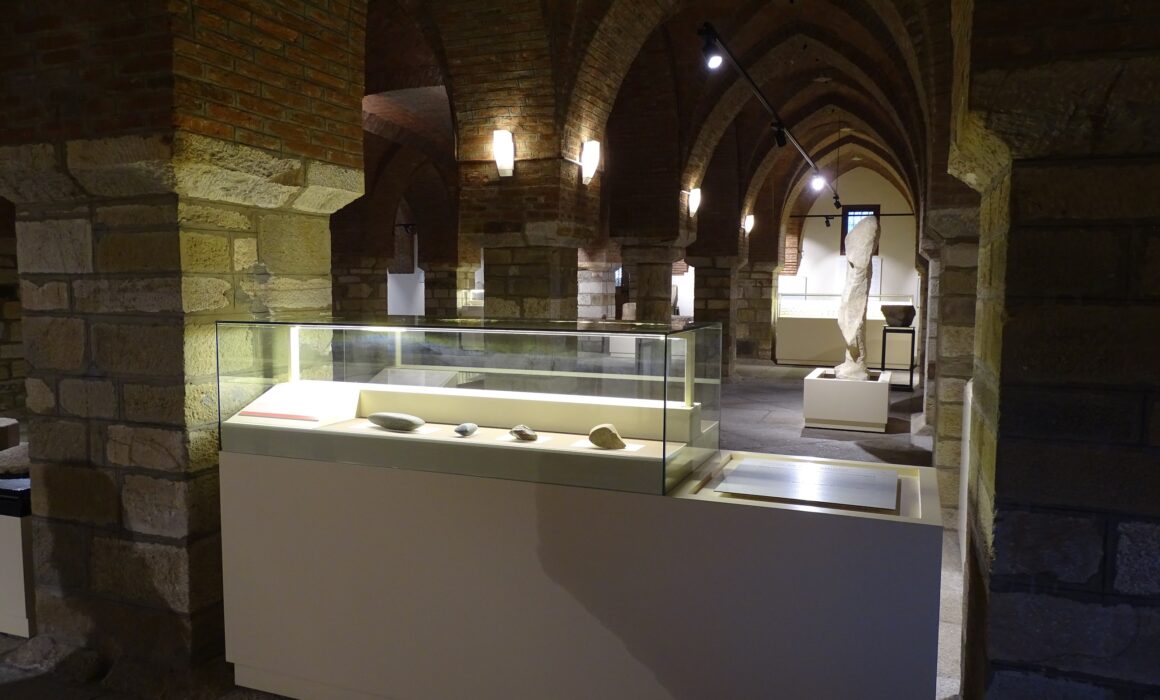
“Some showcases have been installed with the most delicate pieces, which are at the eye level of the visitors and allow a global vision of the space designed by Antonio Gaudí, as well as a new lighting. The elements that were already in the Epigraphic and Lapidary Museum have been reorganized and highlighted through the display elements,” explains the director of the monument, Víctor Murias Borrajo.
With this musealization project in the Gaudí Palace, which has already completed three of the four floors of the monument, its director, Víctor Murias, wanted to give meaning to the pieces and rooms that make up the Museum of the Ways. To this end, symbolic pieces of the history of the Diocese of Asturias from its Roman origins to the Middle Ages have been maintained.

During the past months a selection and modernization of the basement has been carried out with the selection of new explanatory material and the reorganization of the pieces. The musealization of the Gaudí Palace is expected to be completed in the coming year, with the completion of the main floor.
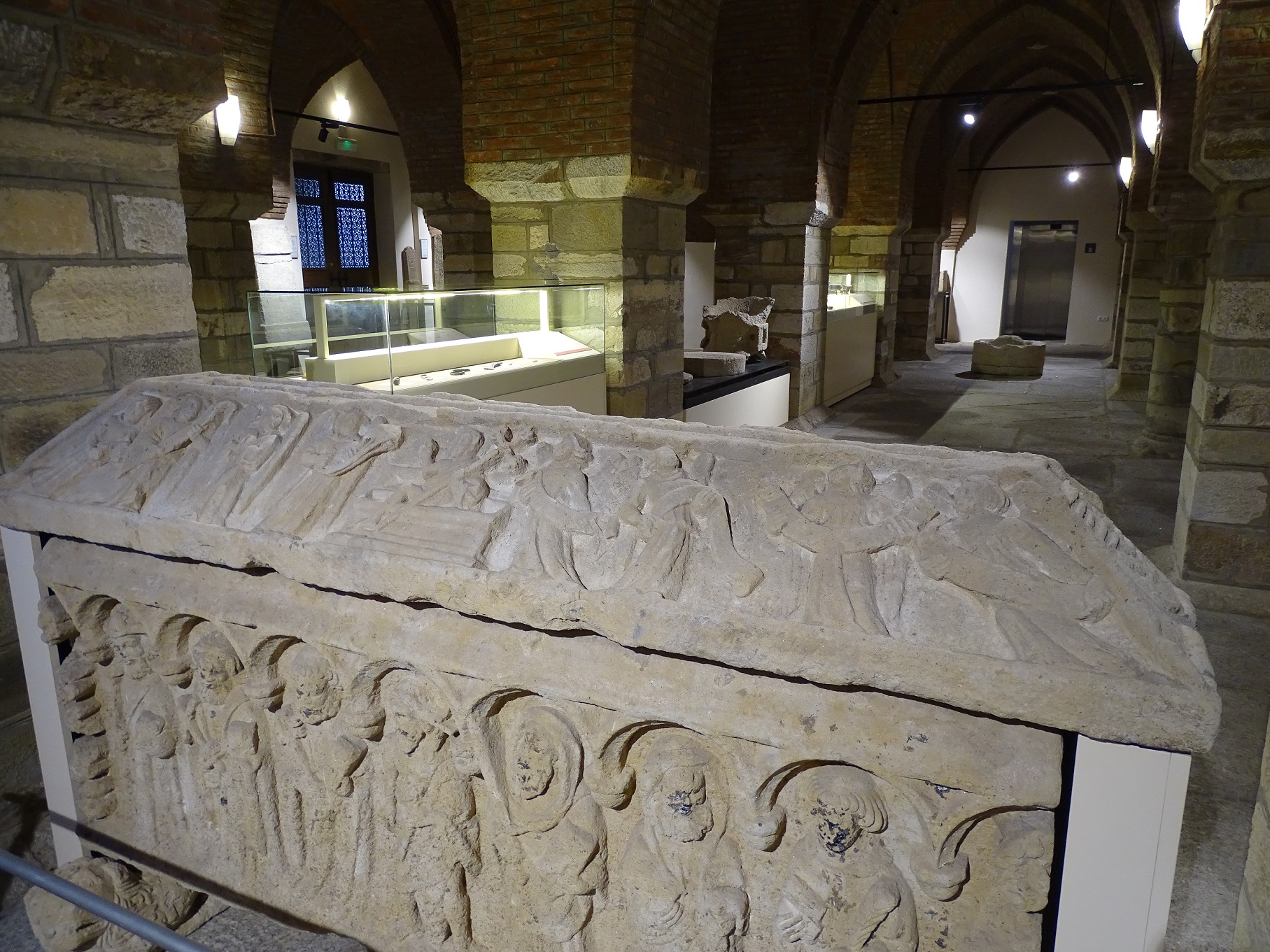
In the basement, the Roman Miliario, a granite milestone that was placed at the edge of the roads to mark the distances on imperial roads, stands out, among others. Also, with this project, the medieval tombs of the Pimentel family, from the Zamora town of San Ramón del Valle, gain new prominence.