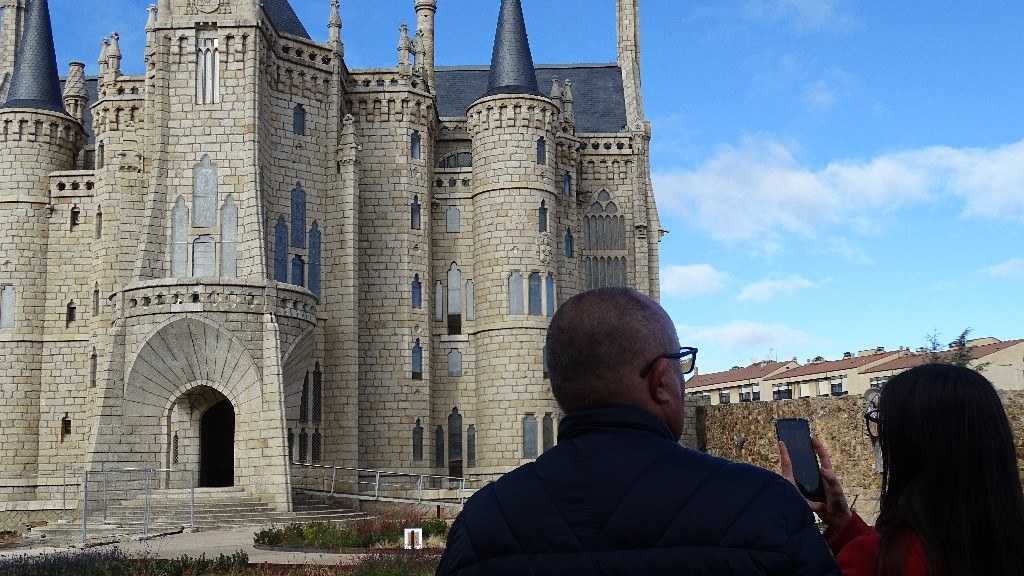
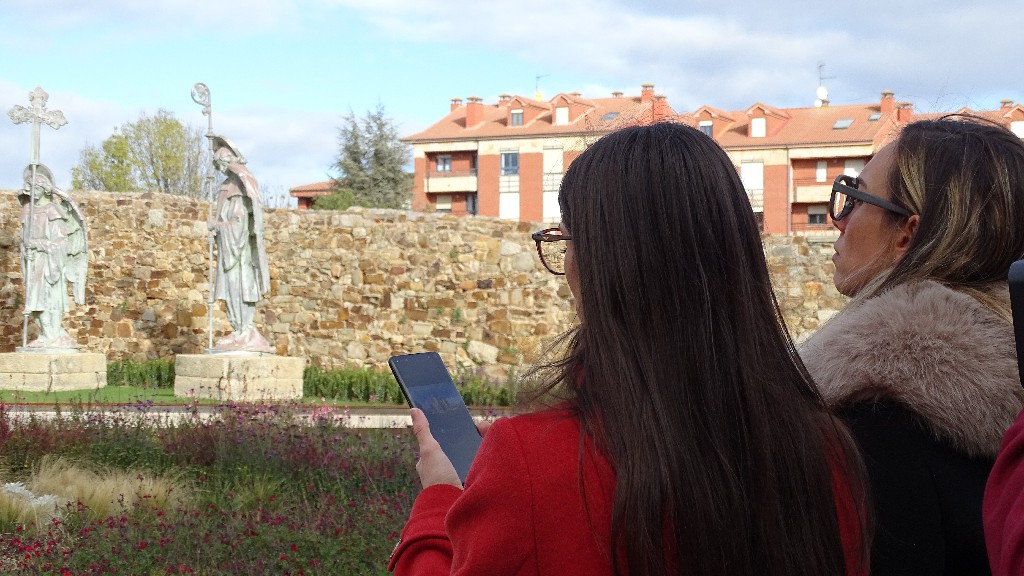
The Gaudí Palace will be the subject of a pilot study using eye-tracking techniques to explore how people visually perceive its architecture. This is a pioneering research framed in the IV International Congress of Neurocommunication and Neuromarketing that combines advanced technology with historical heritage to reveal the visual pattern of those who contemplate the monument. This research is carried out in collaboration with the Neurocommunication and Neuromarketing Laboratory of the Complutense University of Madrid, located in the Department of Communication Theories and Analysis in the Faculty of Information Sciences.
The study will consist of several participants wearing eye-tracking glasses connected to a recording device, which will capture their eye trajectories as they observe both the exterior of the Palace and its emblematic chapel inside. Thanks to this methodology, an aggregate – not individual – analysis of the visitors’ visual journey will be obtained, determining which architectural elements attract the most attention and how they relate to their surroundings.
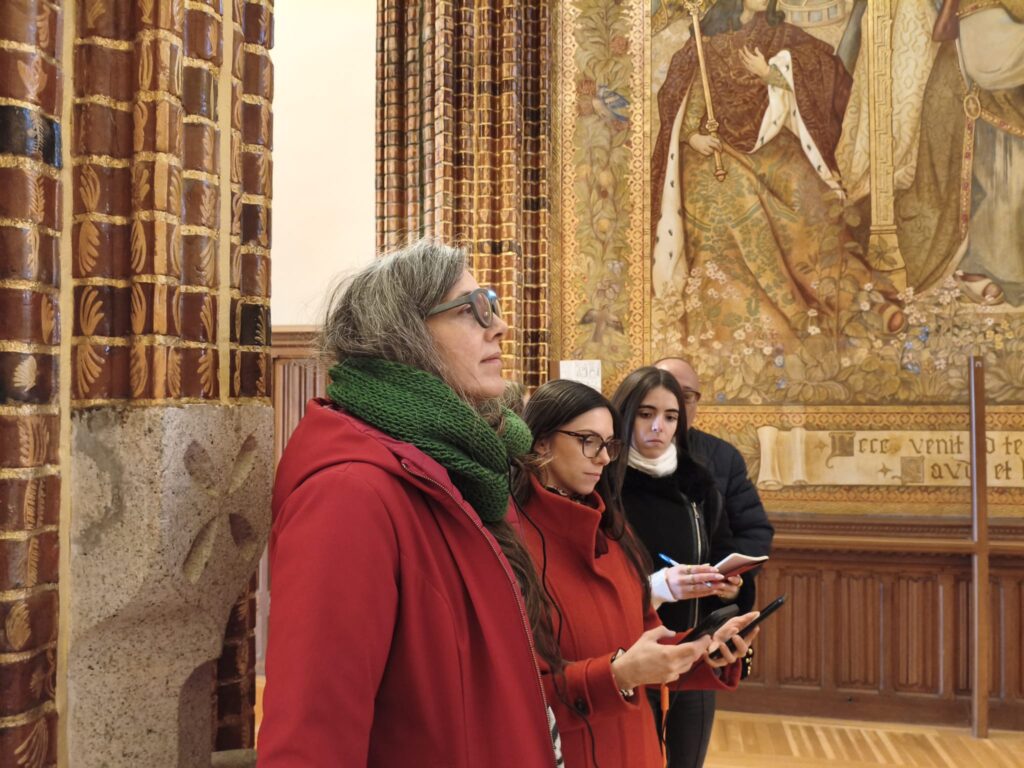
The preliminary results of this research will be presented this Friday during the Astorga Congress, an event that brings together experts in neuroscience, architecture and cultural heritage to reflect on how architectural design can influence the perceptual experience of visitors. The study will also be published in the SAUC (Street Art & Urban Creativity) Scientific Journal, directed by Professor Ubaldo Cuesta Cambra, director of the Congress.
This pilot project, included in the commemoration of Gaudí Year 2026 and with the collaboration of the Palace, opens the way for future broader studies that could contribute to the design, conservation and dissemination of monuments, optimizing their visual impact for visitors from diverse backgrounds.